While no wildlife sightings are guaranteed, embarking on a 7-day tour in Manu National Park greatly increases your chances of witnessing some of the most remarkable species that call the Amazon home. The diversity of habitats, from rivers and oxbow lakes to dense rainforests, offers a unique opportunity to encounter these creatures in their natural environment. Here are the top 10 animals you’re most likely to spot, based on their frequent appearances in the park:
10 Incredible Animals to Spot on a 7-Day Manu National Park Tour
1. Jaguar
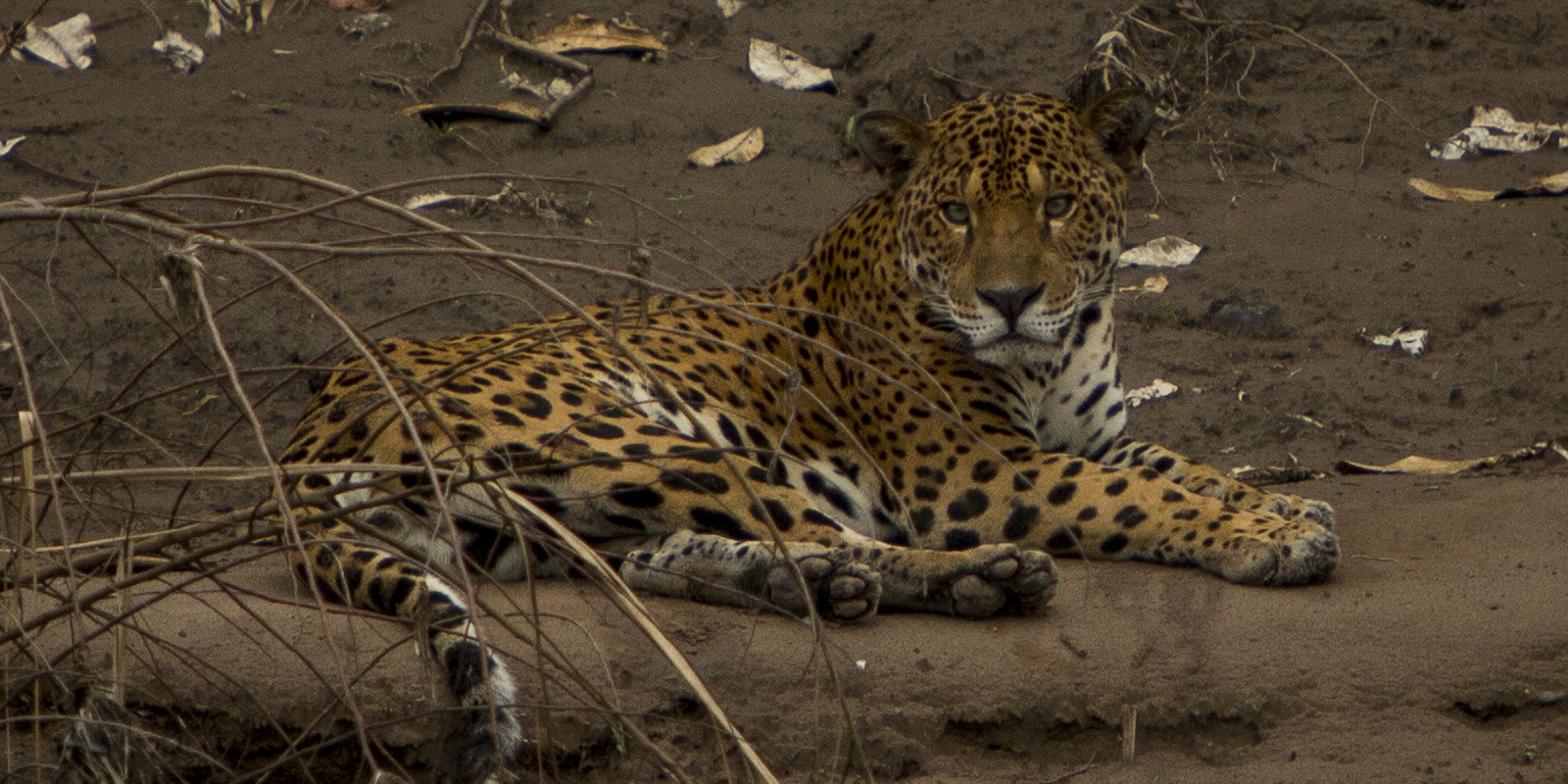
The Jaguar is a symbol of strength and mystery in the Amazon. As the third-largest cat species in the world, after the tiger and lion, jaguars can weigh up to 250 pounds. Their striking yellow-orange fur, covered in black rosettes, helps them blend into the dense jungle. Unlike most big cats, jaguars are excellent swimmers and often hunt aquatic prey such as fish, turtles, and caimans. They also feed on capybaras, peccaries, and deer. Jaguars are highly elusive, and while they roam freely throughout Manu National Park, they are most likely to be seen near riverbanks during boat rides. Sightings are rare but an unforgettable highlight for those lucky enough to spot one.
2. Giant River Otter
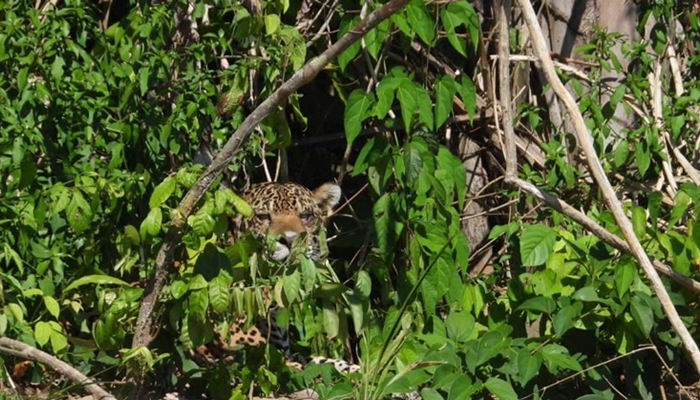
Giant river otters are social and playful creatures, living in family groups of up to 10 individuals. Reaching lengths of up to 6 feet, they are the largest otter species in the world. These otters are highly vocal, using a range of whistles, chirps, and screams to communicate with each other. They are expert fish hunters, primarily feeding on catfish, piranhas, and other small fish. Their agile swimming abilities and cohesive teamwork allow them to hunt efficiently in the rivers and oxbow lakes of Manu, such as Cocha Salvador. Giant river otters are highly endangered due to habitat destruction and hunting for their pelts, making Manu National Park one of the best places to see this species in the wild.
3. Macaws
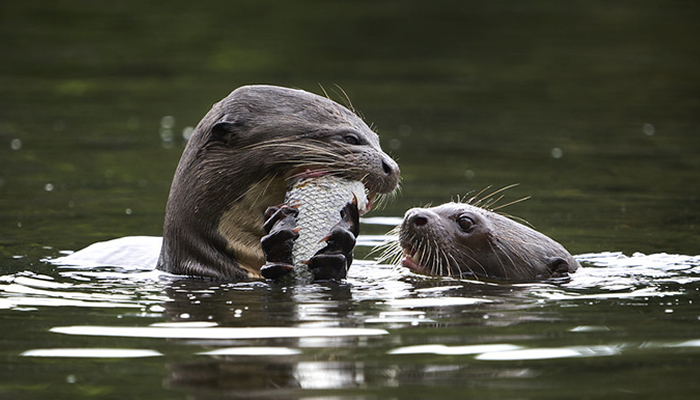
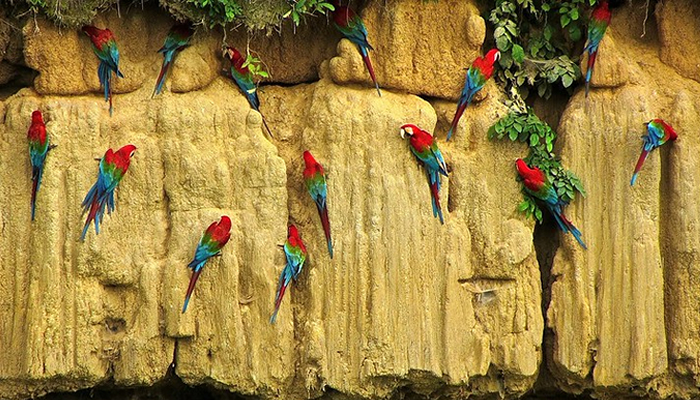
The Amazon is home to several species of macaws, including the scarlet macaw, blue-and-yellow macaw, and red-and-green macaw. These birds are famous for their bright, vibrant feathers and strong social bonds. Macaws are often seen in pairs or large flocks at clay licks, where they consume the mineral-rich clay to help neutralize toxins from their diet. The sight of dozens of macaws gathered on a clay lick is one of the most iconic and colorful wildlife spectacles in Manu. Their squawks and calls are loud and piercing, often heard long before the birds come into view. Macaws play a crucial role in the Amazon ecosystem as seed dispersers, ensuring the health of the forest.
4. Howler Monkey
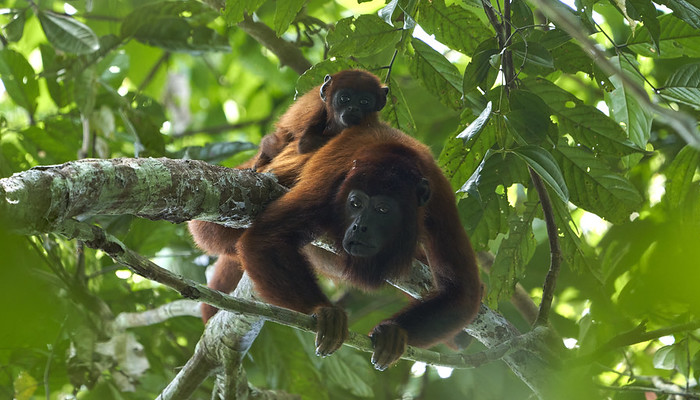
Howler monkeys are among the loudest animals in the world, with their distinctive calls resonating through the jungle at dawn and dusk. Their deep howls can be heard up to 3 miles away and are used to communicate with other groups, mark territory, and attract mates. Howlers are relatively large monkeys, with males weighing up to 20 pounds. They have strong prehensile tails, which act as a fifth limb to help them navigate the treetops. These monkeys feed primarily on leaves, which are difficult to digest, so they rest for long periods each day. While they can be seen throughout the Cultural and Reserved Zones, they are often heard before they are seen.
5. Capybara
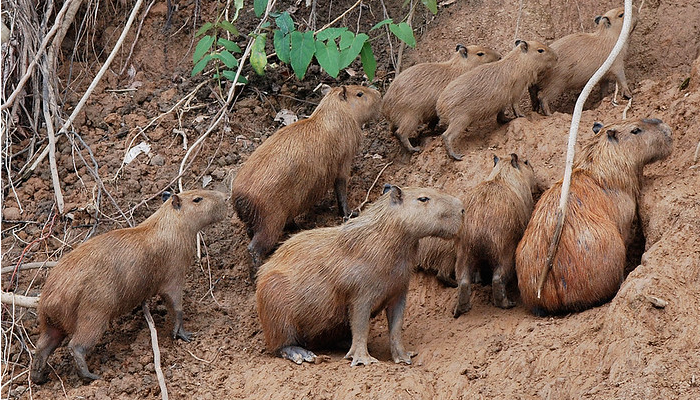
The capybara is the world’s largest rodent, weighing between 75 and 150 pounds. Capybaras are semi-aquatic animals, frequently found near rivers, lakes, and marshes. They are excellent swimmers, with webbed feet that help them navigate the water, and they can remain submerged for several minutes to avoid predators. These herbivorous creatures graze on grasses and aquatic plants and often move in groups of 10 to 20 individuals. Capybaras are gentle and social, and they are commonly seen in the Cultural Zone near riverbanks. Due to their laid-back nature, they are often accompanied by various bird species, which use them as perches.
6. Harpy Eagle
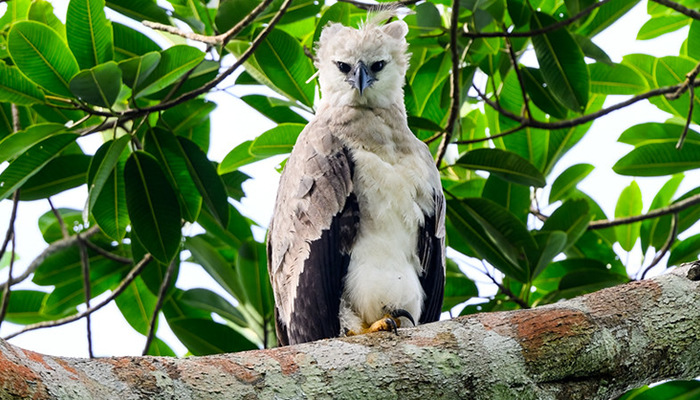
The harpy eagle is one of the most powerful and imposing birds of prey in the world. With a wingspan of up to 7 feet and talons as large as a grizzly bear’s claws, harpy eagles are apex predators in the Amazon. They hunt primarily in the forest canopy, preying on monkeys, sloths, and large birds. Harpy eagles are known for their distinctive appearance, with a black-and-white body and a double crest of feathers on their head. Despite their formidable hunting skills, these eagles are rare and difficult to spot. Manu National Park remains one of the few places in the world where you might have the chance to see them.
7. Caiman
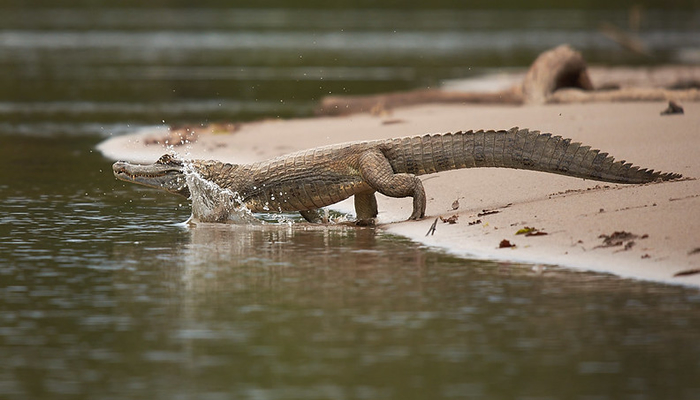
Caimans are a common sight in the rivers and lakes of Manu National Park. The black caiman is the largest species, growing up to 16 feet in length, while the spectacled caiman is smaller, reaching about 8 feet. Caimans are nocturnal predators that feed on fish, birds, and small mammals. During night tours, you can spot their eyes glowing red under the flashlight. Despite their fearsome appearance, caimans are generally shy and tend to avoid human contact. Visitors often see them basking on riverbanks or floating silently in the water.
8. Tapir
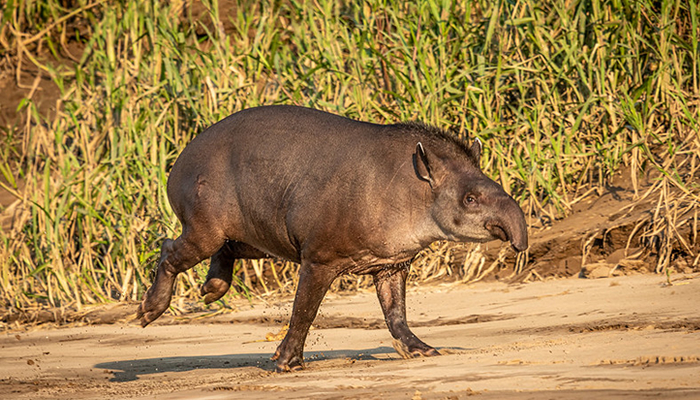
The tapir is a large, herbivorous mammal with a prehensile snout that helps it grasp leaves, fruit, and other vegetation. Tapirs are nocturnal and often visit clay licks at night, where they consume mineral-rich soil to supplement their diet. Weighing between 300 and 700 pounds, they are surprisingly agile for their size and are strong swimmers. Tapirs are known for their solitary behavior and shy nature, but they can sometimes be seen at night during guided tours or from observation platforms overlooking salt licks. Their unique appearance and gentle nature make them one of the more fascinating animals to encounter in Manu.
9. Spider Monkey
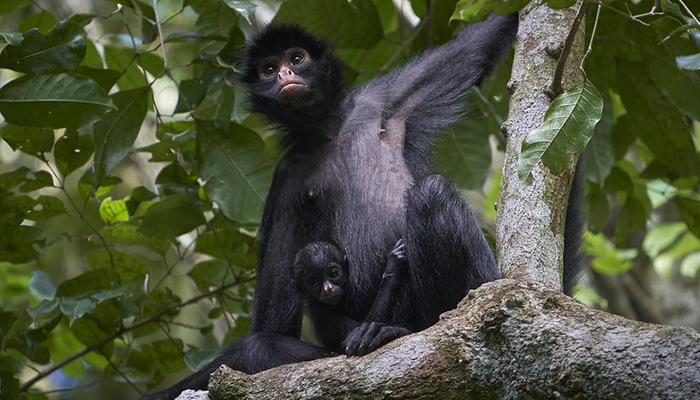
Spider monkeys are highly active and agile, moving gracefully through the trees using their long limbs and prehensile tails. They live in troops of up to 30 individuals and communicate with each other through vocalizations and gestures. Spider monkeys feed on fruit, seeds, and insects, and they are known for their intelligence and complex social structures. Their black or brown fur and gangly appearance make them easy to recognize. Manu National Park offers plenty of opportunities to spot these monkeys, particularly during early morning hikes when they are most active.
10. Puma
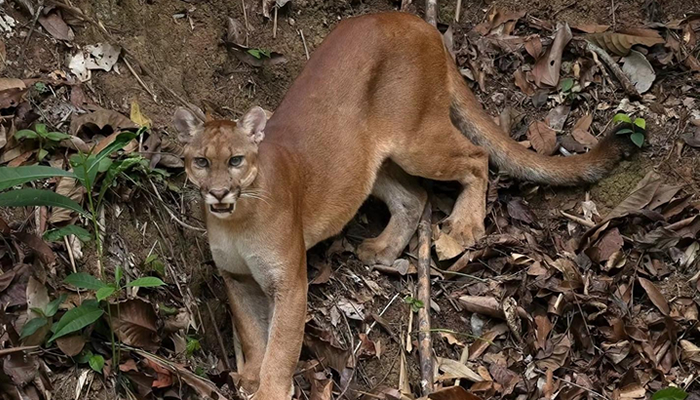
The puma, also known as the mountain lion or cougar, is a powerful and elusive predator in Manu National Park. Although they are not as commonly spotted as other wildlife due to their solitary and stealthy nature, pumas play a vital role in the Amazon’s ecosystem. They are adaptable hunters, preying on a variety of animals such as deer, capybaras, and smaller mammals. With a tawny coat that helps them blend into the forest, pumas are most active during dawn and dusk. While sightings are rare, the presence of this top predator adds to the thrilling sense of wilderness in Manu National Park.
How to Dress for Wildlife Spotting in Manu National
Wearing the right clothing is crucial to avoid disturbing the natural habitat of wildlife in the pristine jungle of Manu National Park. Before embarking on your tour, make sure to pack clothes in neutral, earthy tones like brown, beige, green, black, or gray. Avoid bright colors, as they can stand out and potentially disrupt animal behavior. Dressing appropriately will help you blend into the surroundings, ensuring a more authentic and unobtrusive wildlife experience.
Best Time for Wildlife Viewing
- Early Mornings and Late Afternoons: These are the best times to observe animals, as most are active during the cooler parts of the day. Plan to be out early for birdwatching and late afternoon to see larger mammals like jaguars and tapirs.
- Dry Season (April to November): The dry season is the most favorable time for wildlife viewing, as animals tend to gather near rivers and waterholes.
How to Reach the Reserved Zone of Manu National Park?
To access the Reserved Zone of Manu National Park, you can book a tour from Cusco through one of the many companies offering guided trips. These tours typically involve multiple modes of transportation, including a combination of car and boat, as you journey deep into the park. Along the way, you’ll pass through various ecosystems, offering continuous opportunities to spot diverse wildlife. If you book a tour, there’s no need to worry about logistics—everything is organized for you, from transportation to meals, ensuring a seamless and stress-free adventure.
If you need assistance or have any questions, feel free to contact us. We are a specialized tour operator focused on Manu National Park.
Reach us at info@uniqueamazonperu.com or via WhatsApp at +51 976 534 698
