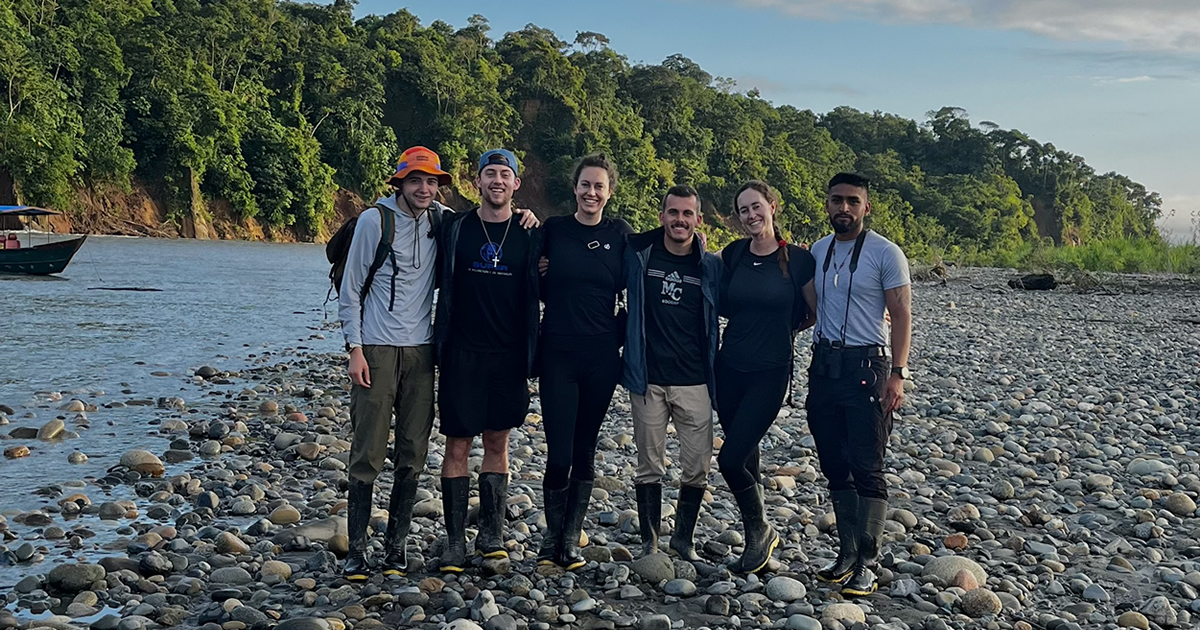
Manu National Park, located in the heart of the Peruvian Amazon, is one of the richest destinations in the world in terms of biodiversity. Deciding when to visit this natural paradise is crucial for maximizing your experience, as the climate and conditions vary considerably throughout the year. In this blog, we will explore the best season to visit Manu National Park, considering factors such as climate, wildlife, and available activities.
Best Time to Visit the Amazon Rainforest: Manu National Park
The ideal time to explore the Peruvian Amazon is during the dry season, which extends from April to November. During these months, rainfall is lower, making it easier to navigate the jungle and engage in activities such as wildlife viewing and hiking. On the other hand, the rainy season, from December to March, can be intense but offers the opportunity to experience the jungle in all its splendor.
SEASONS IN MANU NATIONAL PARK
The climate in Manu National Park is characterized by two main seasons: the dry season (from April to November) and the rainy season (from December to March). Both seasons offer unique and attractive experiences but differ in terms of accessibility, wildlife visibility, and available activities.
1). Dry Season (April to November)
The dry season is widely regarded as the best time to visit Manu National Park. From April to November, the weather is generally more predictable, featuring sunny days and cooler nights. During this period, temperatures can range from 10°C to 25°C in the highlands, where you might encounter beautiful landscapes and diverse ecosystems. In contrast, the lowland rainforest areas experience warmer temperatures, typically between 20°C and 35°C.
a) Advantages of visiting during the dry season:
- Better wildlife visibility: During the dry season, animals tend to gather near rivers and lakes in search of water, providing better viewing opportunities.
- Diverse activities: This season offers a wide range of activities, such as jungle hikes, visits to clay licks for parrots and macaws, boat excursions on flowing rivers, and visits to indigenous communities.
b) Disadvantages of visiting during the dry season:
- Higher tourist influx: Due to favorable conditions, it is the most popular season, so key attractions may be more crowded.
- Higher prices: High demand can drive up the prices of tours and accommodations.
2). Rainy Season (December to March)
The rainy season in Manu National Park offers a completely different experience. Although the rain can be intense and prolonged, those seeking an authentic and less conventional adventure will find unique attractions during this time. This season also provides an opportunity for deeper exploration of the park’s remote areas, allowing access to less-traveled paths and making for unforgettable encounters with nature.
a) Advantages of visiting during the rainy season:
- Fewer tourists: The low number of visitors means that tours are more personalized, allowing for a more intimate experience with nature.
- Lush landscapes: The jungle is at its most splendid; the vegetation is denser, and waterfalls and rivers are full of life, creating breathtaking scenery.
b) Disadvantages of visiting during the rainy season:
- Lower wildlife visibility: Animals tend to spread out more due to the abundance of water in the jungle, which can make spotting them more challenging.
- Mosquito risk: Humidity and standing water favor the proliferation of mosquitoes, so additional precautions are necessary.
In summary, the best season to visit Manu National Park will depend on your personal preferences and the type of experience you seek. If you prefer more stable weather conditions, better wildlife viewing opportunities, and a wider range of activities, the dry season is ideal for you. However, if you prefer a quieter, more immersive experience and don’t mind occasional rain, the rainy season also has much to offer.
Ultimately, Manu National Park is a fascinating destination at any time of year, and each season reveals a different and unique side of the Amazon rainforest. Prepare for your trip and enjoy an unforgettable adventure in one of the most biodiverse places on the planet!
