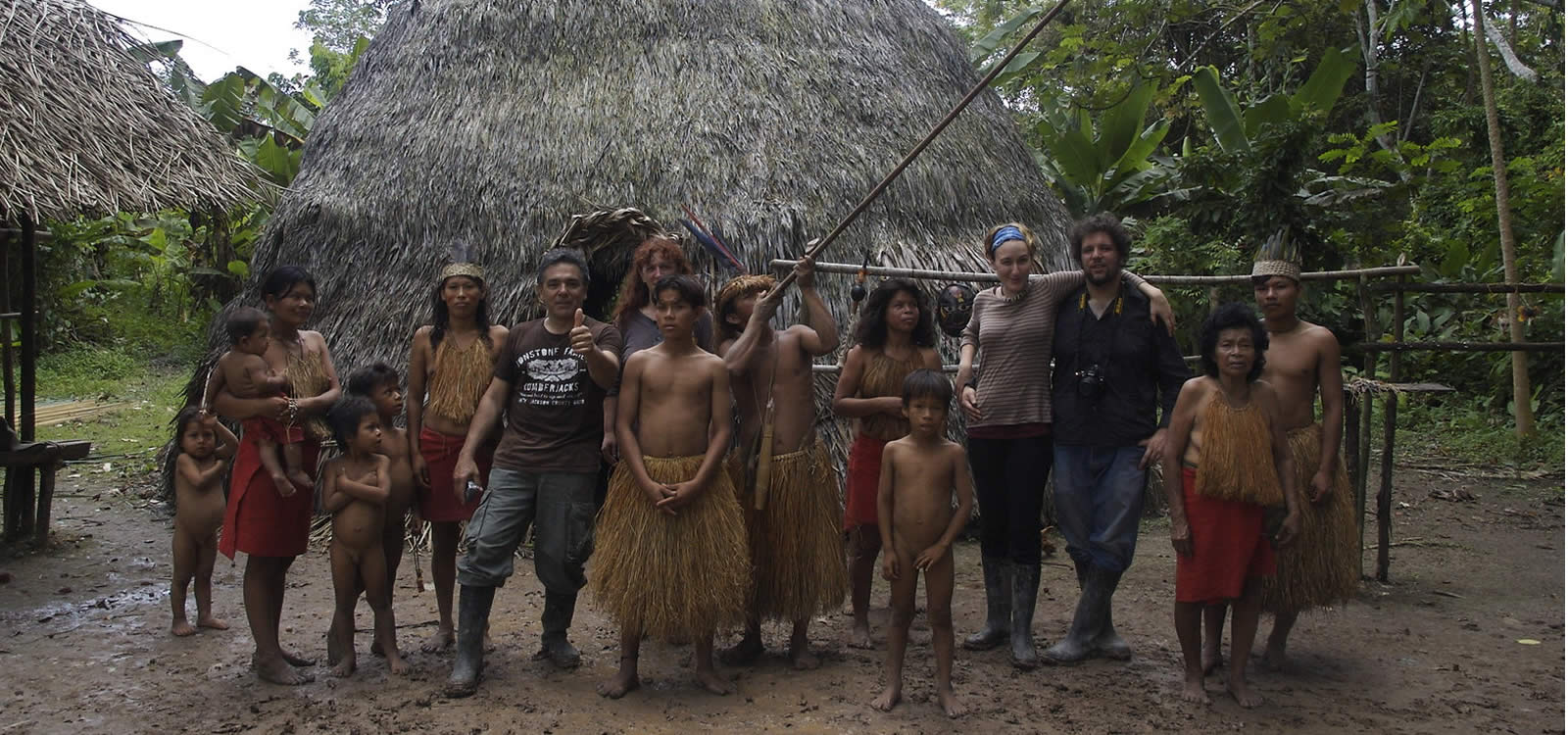
Surviving in the Peruvian Amazon jungle requires a deep understanding of the environment, something indigenous people have mastered over centuries. Their knowledge, passed down through generations, can offer invaluable insights for those venturing into the Amazon. Learning these survival skills not only enhances your chances of safety but also provides a unique connection to the environment.
1. Finding Safe Water
One of the most crucial survival needs in the jungle is finding clean, drinkable water. The indigenous people of the Peruvian Amazon have honed several techniques to secure safe water:
- Rainwater Collection: During the rainy season, collecting fresh rainwater is a primary source of hydration. Indigenous people often use large leaves or containers to gather rainwater.
- Water from Plants: The jungle is full of plants that can store drinkable water. The most commonly known are bamboo or certain vines, which when cut, release water. Indigenous people are familiar with specific vines called “liana” that provide fresh water when tapped.
- Flowing Water: If you come across a stream or river, always drink from moving water rather than stagnant ponds, as it’s less likely to be contaminated. Indigenous people often avoid water near animal trails, which can be contaminated by their waste.
2. Finding Food
The Amazon jungle is abundant with edible plants, fruits, and animals, but identifying which are safe to eat is vital for survival:
- Edible Fruits: Indigenous people rely on a wide variety of fruits such as camu camu, aguaje, and cocona. Many of these are rich in nutrients and easy to find in the jungle. However, they avoid fruits that have a sour or bitter taste, which may indicate they are toxic.
- Hunting Small Animals: Indigenous tribes are adept at hunting using blowguns, traps, and spears. They focus on small animals like monkeys, birds, or rodents. If you’re unfamiliar with hunting, basic traps or fishing using handmade tools can be effective ways to gather food.
- Insects and Larvae: Many insects, including ants, beetles, and larvae, are high in protein. While these may not be a delicacy to outsiders, indigenous people often turn to insects for sustenance in times of scarcity. Make sure to avoid brightly colored insects as they might be toxic.
3. Building Shelter
Protection from the elements, predators, and insects is key in jungle survival. Indigenous people build shelters that are not only practical but also blend seamlessly into the natural environment:
- Ground-Level Shelters: Contrary to popular belief, many indigenous groups in the Peruvian Amazon build their shelters directly on the ground rather than raised platforms. The shelter is crafted using natural materials found in the jungle, including branches and large, sturdy leaves.
- Natural Insulation: The thick foliage of the jungle provides excellent insulation. Indigenous people often choose thick tree cover to reduce exposure to the elements. They also use leaves, bark, and vines to craft temporary shelters quickly.
- Fire for Protection: Fire serves multiple purposes, including cooking, warmth, and protection from predators. Indigenous people use natural materials like dry leaves and wood to start fires. Keeping a small fire burning overnight deters animals and helps keep insects at bay.
4. Navigating the Jungle
The dense and vast Amazon jungle can be disorienting, but indigenous people have developed effective navigation techniques without relying on modern tools:
- Following Animal Trails: Indigenous people often follow well-trodden animal trails, which can lead to water sources, fruit trees, or open clearings. However, they are cautious of predator trails and avoid areas with too many signs of large animals like jaguars or snakes.
- Tracking the Sun and Stars: Although the jungle canopy can obscure the sky, indigenous people use glimpses of the sun to determine direction. They also rely on natural markers like specific types of trees and terrain changes to orient themselves.
- Using the River System: The rivers are vital for navigation in the Amazon. Indigenous people follow the flow of rivers to move between areas, knowing that settlements and resources are often located along riverbanks.
5. Avoiding Dangers
The Amazon is home to numerous dangers, including venomous snakes, jaguars, and poisonous plants. Indigenous people have developed strategies to stay safe in this unpredictable environment:
- Avoiding Poisonous Plants: Indigenous people have a deep knowledge of toxic plants. Many plants in the jungle, especially those with bright colors or milky sap, are poisonous. It’s important to avoid unfamiliar plants and never consume anything unless you’re sure it’s safe.
- Dealing with Snakes and Insects: Indigenous people know how to avoid encounters with venomous snakes by staying clear of dense underbrush where they might hide. If bitten, they use natural remedies derived from plants to slow venom spread. To avoid insect bites, they use natural repellents made from crushed leaves.
- Using Animal Behavior as Warning: Indigenous tribes observe animal behavior to predict danger. For example, when animals become quiet or flee, it could signal the approach of predators or a natural threat like a storm.
6. Indigenous Knowledge of Medicinal Plants
The indigenous people of the Peruvian Amazon are renowned for their knowledge of medicinal plants. In case of illness or injury, they turn to the jungle’s natural pharmacy:
- Wound Treatment: They use sap from trees like the Sangre de Grado (Dragon’s Blood) to treat cuts and wounds. This red sap has antiseptic and healing properties.
- Fever and Illness: Indigenous healers often use plants like Ayahuasca or Chuchuhuasi for treating fevers and digestive issues. While these plants are potent, they must be used correctly and are best guided by an experienced practitioner.
7. Preserving Energy
In the jungle, overexertion can be deadly. Indigenous people pace themselves and know how to conserve energy:
- Slow, Deliberate Movements: Moving slowly through the jungle helps to avoid exhaustion, as well as minimizing noise and reducing the chance of attracting dangerous animals.
- Resting During Peak Heat: Indigenous people typically rest during the hottest part of the day to avoid overheating and dehydration. The jungle is often most active in the early mornings and evenings when it’s cooler.
Respecting Indigenous Wisdom
The indigenous people of the Peruvian Amazon have spent centuries developing survival skills that allow them to thrive in one of the world’s most challenging environments. For anyone venturing into the jungle, adopting their knowledge can make all the difference between surviving and thriving. By understanding how to find food, water, shelter, and navigate the wilderness while avoiding dangers, travelers can not only survive but gain a deeper appreciation for the incredible biodiversity and cultural heritage of the Amazon.
