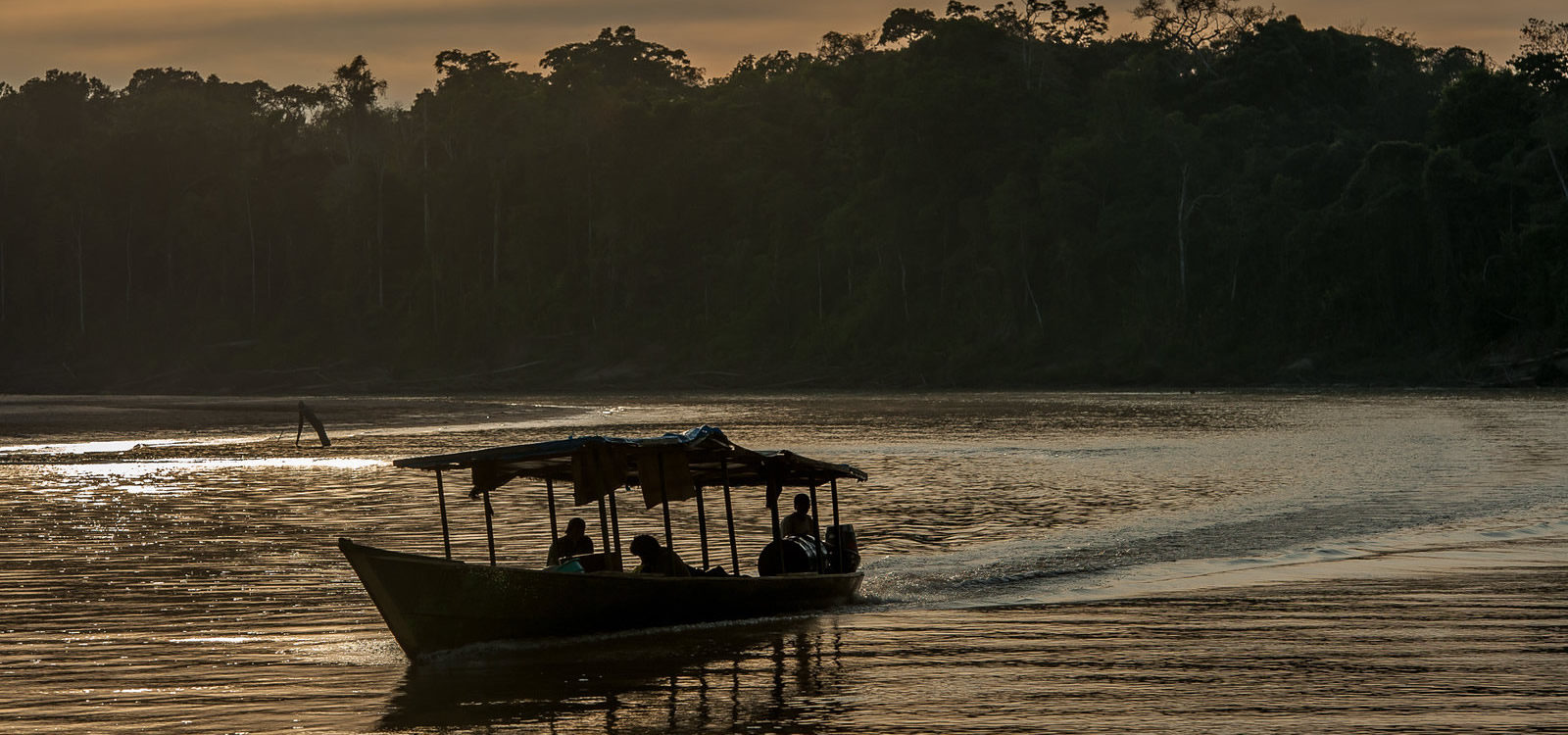
If the Amazon is the lungs of the Earth, then Manu National Park is its beating heart — an untouched sanctuary where time folds in on itself and nature’s original code is still running unaltered. Hidden deep in the southeastern corner of Peru, Manu is not just another jungle. It is the most biodiverse place on Earth, a vast green kingdom where jaguars roam freely, uncontacted tribes maintain their ancestral ways, and the canopy still holds secrets science hasn’t named.
But what makes Manu truly exceptional isn’t just the wildlife count — it’s the wild story it tells.
A Park Bigger Than Countries, Older Than Civilization
Imagine a stretch of land so large, it could swallow entire European nations — that’s Manu. Encompassing over 17,000 square kilometers, Manu National Park spans both the Andes and the Amazon basin. It wasn’t built around roads or cities. It wasn’t trimmed to fit political borders. This park exists because nature fought to keep it that way.
And perhaps most astonishingly — this isn’t a place that was “preserved.” It’s a place that never needed saving in the first place.
Designated a UNESCO World Heritage Site in 1987 and a Biosphere Reserve even earlier, Manu is a patch of the planet where nature still runs the show — and humans are visitors, not rulers.
The Vertical Jungle
You don’t “arrive” in Manu. You descend — from sky to mist to emerald.
Most travelers begin their journey in Cusco, the former Inca capital, before plunging down winding cloud forest roads into the lush green of the lowlands. In just a few hours, you’ll pass five distinct ecological zones. From icy peaks to tropical rivers, the altitude drops create an altitudinal staircase of life that exists nowhere else in such density.
This descent is what scientists call “vertical biodiversity.” For every 100 meters you go down, entirely new sets of species appear — mosses turn to ferns, hummingbirds give way to howler monkeys.
The Kingdom of the Countless: Species That Only Exist Here
Forget stats like “400 mammals” or “15 species of monkeys.” Yes, Manu has them — and more. But what makes this place mind-bending is this: Most species in Manu have yet to be named.
Here’s a glimpse at the astonishing biodiversity hiding within the jungle’s layers:
- 🦜 Birds: Over 1,000 species, including the iconic Andean Cock-of-the-Rock, toucans, and macaws. It’s a top global birdwatching destination.
- 🐍 Reptiles and Amphibians: From rainbow-colored poison dart frogs to tree boas and black caimans.
- 🐒 Mammals: Tapirs, jaguars, pumas, anteaters, capybaras, and every kind of monkey you can name (plus some you can’t).
- 🐜 Insects: An estimated 30 million species. One single tree in Manu can host more insect species than all of North America.
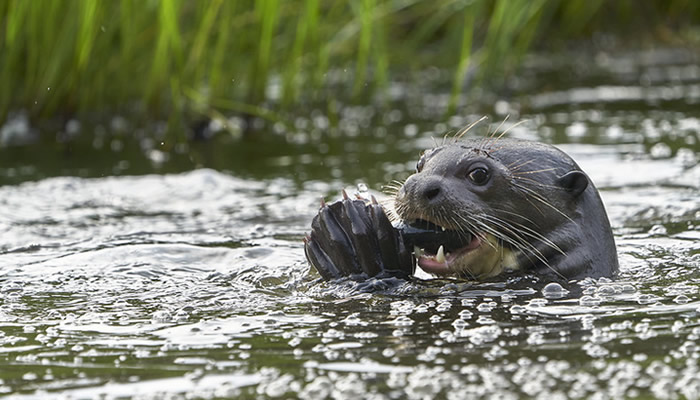
The giant otter (Pteronura brasiliensis) is one of the most charismatic and endangered species found in Manu National Park. Reaching up to 1.8 meters in length, it’s the largest otter species in the world.
Getting There is the Adventure
You won’t fly into Manu with a suitcase and a cappuccino. Reaching Manu is an expedition. And that’s exactly why it’s still wild.
There are two main ways in:
- Overland route from Cusco: Cross the Andes into the cloud forest, stop in Paucartambo, then descend by road and boat into the jungle.
- Fly to Boca Manu: For those short on time, flights from Cusco drop you closer to the heart of the park. Boat journeys still follow.
This remoteness is why Manu is so pristine — you have to earn it.
Zones of Protection: Not All of Manu is Open to Tourists
Manu National Park is divided into three areas:
- Core Zone (Zona Intangible): No tourism allowed. This is sacred, untouched land for indigenous groups and researchers only.
- Reserved Zone (Zona Reservada): Controlled ecotourism is permitted here. This is where most wildlife excursions happen.
- Cultural Zone: A buffer area where communities live and visitors can explore the jungle more freely.
This zoning model is a blueprint for modern conservation, balancing protection with education and sustainability.
The Human Side: Guardians of the Forgotten World
Manu isn’t just wild in nature — it’s wild in culture.
The park is home to uncontacted tribes like the Mashco-Piro, who live in voluntary isolation, and other indigenous communities such as the Matsigenka, Yine, and Harakmbut. These people don’t just live in the jungle — they are part of it, blending ecology with myth, medicine, and ceremony.
Visitors who travel with respectful guides and agencies can learn from the Matsigenka community at Casa Matsiguenka, one of the only places where cultural immersion and conservation truly align.
In a world that moves too fast, these communities still live in jungle time — guided by rivers, stars, and seasons.
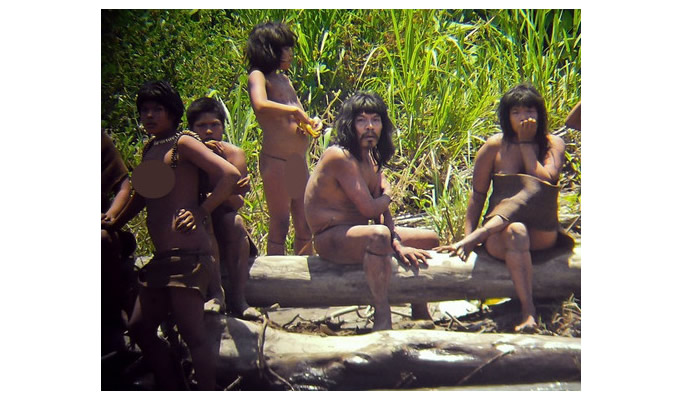
From a distance, a group of Mashco-Piro was spotted in the Reserved Zone of Manu National Park, specifically along the shores of the Manu River.
What to Do in Manu (And What You’ll Never Forget)
This isn’t just a place to see. It’s a place to experience.
⛵ Boat Safaris: Float down blackwater oxbow lakes with caimans gliding silently beside you.
🦥 Jungle Treks: Hike through primary rainforest with expert local guides who can spot a camouflaged frog from 10 meters.
🦜 Birdwatching Heaven: Head to the clay licks and witness hundreds of macaws and parrots gather at dawn — a truly cinematic moment.
🔥 Night Walks: With headlamps and steady nerves, explore the nocturnal world of tarantulas, snakes, and glowing fungi.
🌿 Medicinal Plant Tours: Learn how rainforest communities use bark, leaves, and roots to cure ailments that modern science is only beginning to understand.
Staying in the Jungle: Rustic, Real, and Responsible
Manu doesn’t have five-star hotels — it has million-star skies.
Eco-lodges and research stations provide clean, comfortable stays while ensuring low environmental impact. Options include:
- Casa Matsiguenka: Indigenous-owned, deep in the Reserved Zone.
- Manu Wildlife Center: Well-known for wildlife encounters and canopy towers.
- Pantiacolla Lodge: Excellent for photography and birdwatching tours.
Electricity is often solar. Meals are locally sourced. And you’ll go to sleep with the hum of cicadas, not car horns.
Why Manu is More Than a Destination — It’s a Living Hope
In a time when so many ecosystems are collapsing, Manu remains a beacon of what’s possible when humans step back. It’s not just a national park; it’s a glimpse of the Earth before industry, pollution, and conquest — and a living model for conservation moving forward.
Here, the question isn’t “what can we take?” It’s “what can we learn — and how can we protect it?”
Threats on the Horizon: Can Manu Stay Wild Forever?
While Manu feels like paradise, it is not invincible.
Illegal logging, mining pressures, and expansion of roads into the Amazon basin are creeping threats. Even climate change poses dangers, shifting ecosystems and challenging long-term biodiversity.
The park’s remoteness has protected it so far, but its fate depends on continued vigilance.
NGOs and indigenous alliances are working hard to keep Manu intact — but they need global support. Eco-tourism, responsible travel, and international conservation efforts are key tools in this fight.
For Families and First-Timers: Is Manu for You?
You don’t need to be a biologist or survivalist to enjoy Manu. While it’s remote, there are tours tailored to different comfort levels — including families with kids, seniors, and first-time rainforest explorers.
- Shorter cultural tours in the buffer zone
- Comfortable lodges with mosquito-proof rooms and warm showers
- Educational walks with guides that tailor the experience to your group
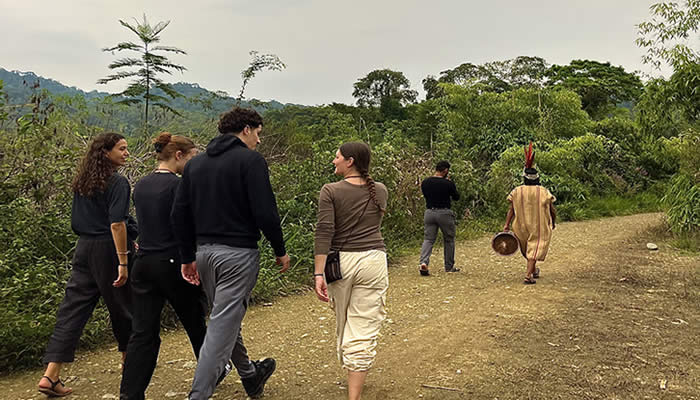
Manu National Park is not the easiest place to get to. But that’s exactly the point.
In a world of vanishing wilderness, Manu still reminds us what untouched feels like — where forests breathe freely, creatures roam boldly, and the story of life still writes itself, page after green page.
And if you’re searching for more than a vacation — for meaning, for awe, for stillness — then Manu isn’t just a destination.
If you’d like assistance in planning your Peruvian Amazon adventure, feel free to reach out to us! Contact us at info@uniqueamazonperu.com or via WhatsApp at +51 983 003 418
