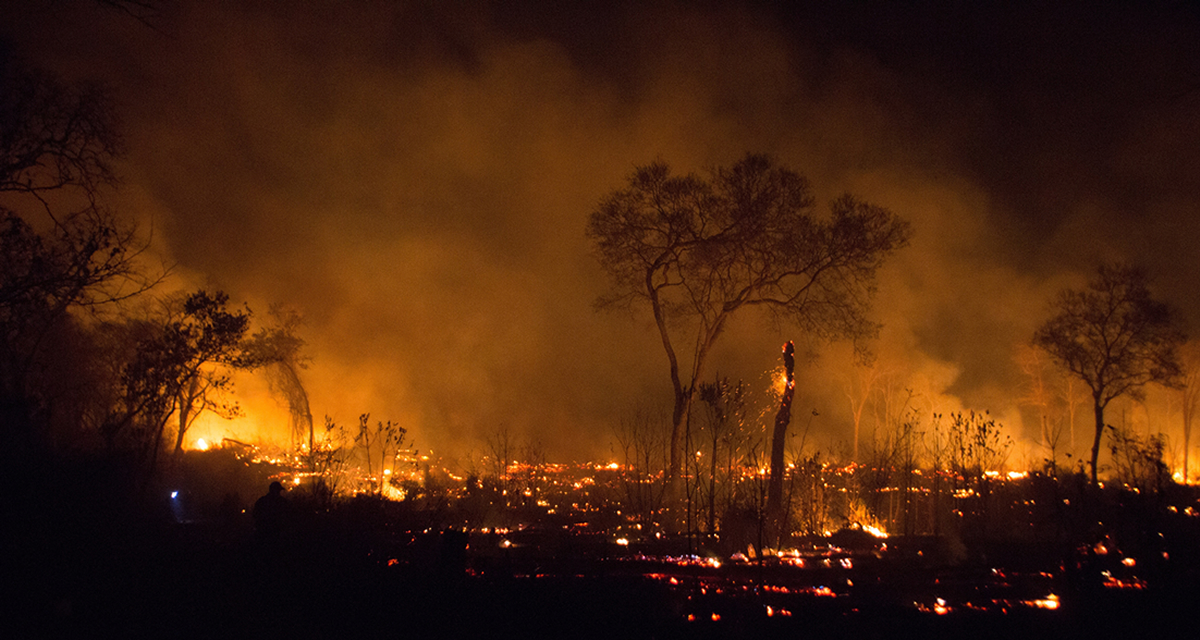
Bolivia experienced one of the most devastating forest fires in recent history, causing widespread destruction to vast areas of the Amazon rainforest. This disaster not only affected the region’s unique biodiversity but also had far-reaching consequences for indigenous communities, climate change, and global conservation efforts.
The fires in Bolivia spread rapidly, fueled by a combination of prolonged drought, high temperatures, and deforestation practices. Reports indicated that thousands of hectares of forest were engulfed in flames, particularly affecting the Chiquitania region and parts of the Amazon basin. These fires released massive amounts of carbon dioxide into the atmosphere, contributing to global warming and significantly impacting air quality in the region.
Impact on Biodiversity
The Amazon rainforest is one of the most biodiverse regions on the planet. The fires of 2024 had a catastrophic impact on this delicate ecosystem:
- Wildlife Loss: Countless animals, including endangered species, perished in the flames or lost their habitats. The fire disrupted migratory patterns, food sources, and breeding grounds, causing long-term damage to the wildlife population.
- Vegetation Destruction: Ancient trees and plant species, some of which have taken centuries to grow, were destroyed. This loss of vegetation not only reduces carbon sequestration but also impacts the overall health of the forest.
Global Implications
The Bolivian forest fires of 2024 serve as a stark reminder of the global climate crisis. The Amazon rainforest, often referred to as the “lungs of the Earth,” plays a crucial role in regulating the planet’s climate by absorbing carbon dioxide and producing oxygen. The destruction of these forests accelerates climate change and diminishes our planet’s ability to mitigate its effects.
