Discover how to explore the Peruvian Amazon responsibly. Learn about eco-friendly Amazon tours, sustainable jungle lodges, and ethical travel practices.
What Is an Eco-Friendly Amazon Tour?
An eco-friendly Amazon tour in Peru is more than a typical jungle excursion. It’s a holistic experience built around sustainability, education, and positive impact. These tours typically keep group sizes small to reduce environmental pressure, avoid single-use plastics, rely on renewable energy when possible, and hire trained local guides who not only understand the ecosystem but also come from the communities that live within it.
Why Should You Choose a Sustainable Tour in the Amazon Jungle?
Choosing a sustainable tour in the Amazon is one of the most impactful ways to experience this incredible region while helping to protect it for the future. Unlike conventional tourism, eco-friendly Amazon tours are designed to minimize environmental impact, support local communities, and promote conservation of one of the world’s most important ecosystems.
Are There Sustainable Jungle Tours in Peru?
Yes, there are many sustainable jungle tours in Peru, especially in world-renowned destinations like Tambopata National Reserve, Manu National Park, and Pacaya Samiria Reserve. These tours are designed for travelers who want to explore the Peruvian Amazon responsibly, with minimal environmental impact.
Top Sustainable Activities to Do in the Peruvian Amazon
1. Wildlife Watching with Local Guides
Join responsible jungle tours led by indigenous or local guides who know the terrain and species intimately. You’ll spot monkeys, sloths, macaws, and maybe even jaguars — all without disturbing their natural habitat.
2. Stay at Eco-Lodges
Choose eco-lodges that operate with minimal environmental impact. Many use solar power, manage waste responsibly, and reinvest profits into conservation and community projects.
3. Visit Indigenous Communities Respectfully
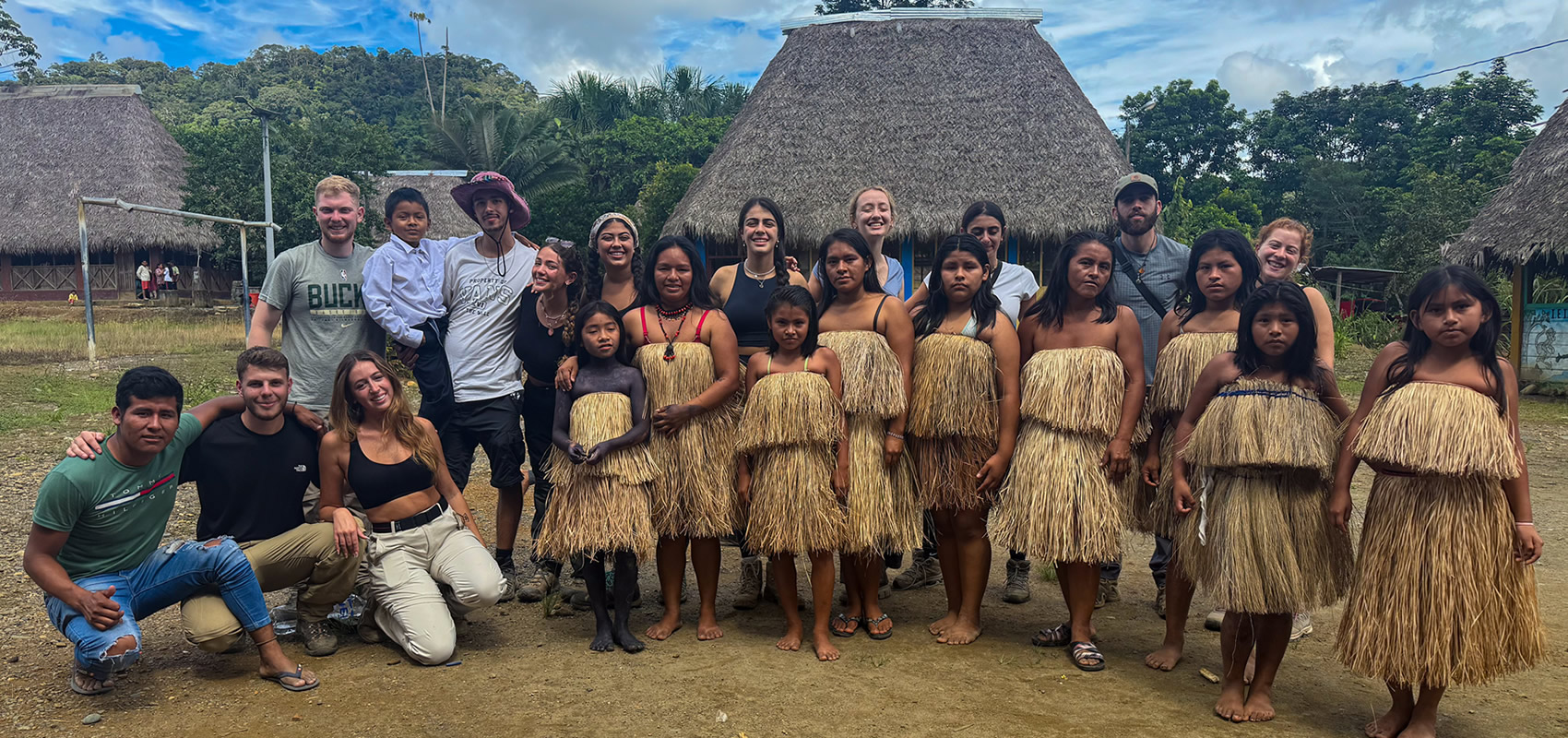
Participate in cultural exchanges with native communities that welcome visitors. These visits often include traditional cooking, music, and storytelling — all organized ethically to preserve cultural heritage and provide economic benefits.
4. Canoe or Kayak Through Pristine Rivers
Opt for non-motorized transport like canoes or kayaks to explore Amazonian waterways. It’s a silent and low-impact way to connect with nature and observe wildlife without pollution.
5. Birdwatching in Conservation Areas
The Peruvian Amazon is a birdwatcher’s paradise. Visit protected areas like Manu National Park or Tambopata to observe hundreds of colorful bird species in their natural habitat, while supporting conservation efforts.
6. Participate in Reforestation Projects
Some tours and lodges allow you to plant trees or learn about reforestation efforts. It’s a hands-on way to give back to the rainforest and offset part of your travel footprint.
7. Support Local Markets and Handicrafts
Buy sustainably made crafts or products directly from Amazonian communities. This boosts the local economy and reduces reliance on extractive activities like logging or mining.
8. Join a Medicinal Plant Tour
Discover the healing power of the Amazon by joining guided tours that teach about native medicinal plants. These tours often highlight traditional knowledge passed down for generations — all while respecting the forest’s natural balance.
What Animals Can You See in the Peruvian Amazon?
The Peruvian Amazon Rainforest is one of the most biodiverse places on Earth — a dream destination for wildlife lovers and adventure seekers. With over 1,800 species of birds, 500 species of mammals, and countless reptiles, amphibians, and insects, this lush jungle offers the ultimate wildlife experience.
🐒 Monkeys Swinging Through the Canopy
Spot playful troops of howler monkeys, squirrel monkeys, capuchins, and even the elusive woolly monkey as they move through the treetops. Their calls echo through the jungle, making every trek an adventure.
🦜 Brilliant Birds at Every Turn
Birdwatchers will be in paradise. See the scarlet macaw, hoatzin, toucan, and Peru’s national bird — the Andean cock-of-the-rock. Visit a macaw clay lick in Tambopata or Manu for an unforgettable show of color and sound.
🐆 Jungle Predators
Although shy and rarely seen, the jaguar, ocelot, and puma roam freely in the deeper parts of the Amazon. Guided tours offer the best chance of spotting them in places like Manu National Park or Tambopata Reserve.
🐊 Caimans and Giant River Otters
As you glide along the rivers, keep an eye out for black caimans resting on the banks or the rare and playful giant river otters, often seen in oxbow lakes like Cocha Otorongo.
🐢 Turtles, Frogs & Reptiles
From tree frogs with glowing eyes to river turtles basking in the sun, the Peruvian jungle is full of life, day and night. Night walks offer a completely different set of creatures — including poison dart frogs, boas, and leaf-mimicking insects.
🦋 Insects and Butterflies
Marvel at the shimmering blue morpho butterfly, giant beetles, and camouflaged insects that are masters of disguise. Visit butterfly houses or see them in the wild fluttering along jungle trails.
🦅 Majestic Harpy Eagle
This powerful raptor is one of the largest and rarest eagles in the world. Spotting a harpy eagle in its natural habitat is a bucket-list experience for any wildlife enthusiast.
Are There Solo Traveler Options to Visit the Peruvian Amazon?
Yes! The Peruvian Amazon is an incredible destination for solo travelers seeking adventure, nature, and cultural immersion. Many tour operators and eco-lodges offer specially designed solo travel packages that provide safety, flexibility, and unforgettable experiences — without the need to join large groups.
Types of Solo Traveler Options Available
- Small-group tours with solo-friendly pricing: Join intimate groups where solo travelers are welcomed, often with no or reduced single supplements.
- Private guided tours: Opt for private excursions customized to your preferences and pace.
- Eco-lodges with solo accommodations: Many Amazon lodges offer single rooms or beds in shared dorms designed for solo guests.
- Volunteering and conservation programs: For solo travelers who want a deeper connection, there are opportunities to participate in wildlife conservation or community projects.
What to Pack for Your Peruvian Amazon Tour: Essential Tips for a Smooth Jungle Experience
Heading to the Peruvian Amazon means preparing for a unique environment filled with lush rainforests, diverse wildlife, and unpredictable weather. Packing smart can make all the difference between a comfortable trip and an uncomfortable one. Here’s a comprehensive guide on what to bring on your Amazon adventure.
Clothing: Lightweight but Protective
The Amazon’s humid and warm climate calls for clothes that keep you cool but also shield you from insects and thorny vegetation. Opt for:
- Moisture-wicking, breathable fabrics like nylon or polyester
- Long-sleeve shirts and pants in neutral colors to avoid attracting insects
- A lightweight rain jacket or poncho — rain showers are common
- A wide-brim hat or cap for sun protection
- Comfortable, durable hiking shoes with good traction, plus sandals for downtime
Gear and Accessories: Stay Prepared and Comfortable
To fully enjoy your time in the jungle, bring these essentials:
- A high-quality insect repellent (preferably with DEET) to fend off mosquitoes and biting insects
- Sunscreen with high SPF to protect against UV rays filtering through the canopy
- A reusable water bottle (consider one with a built-in filter for added safety)
- Binoculars to catch glimpses of vibrant birds and elusive wildlife from afar
- A flashlight or headlamp with extra batteries for night walks or early mornings
- Waterproof bags or dry sacks to keep electronics and important documents safe from humidity and water
Health & Safety Items: Be Ready for Anything
Staying healthy during your Amazon trip is vital:
- Any personal medication you need, plus basic first aid supplies like band-aids, antiseptic wipes, and anti-diarrheal medication
- Water purification tablets or a portable filtration system if you want extra peace of mind
- Hand sanitizer and anti-bacterial wipes
Optional Extras for a More Enjoyable Trip
- A small daypack to carry your essentials during excursions
- A camera or smartphone with plenty of storage for photos and videos
- A notebook or travel journal to document your experiences
- Lightweight gloves to protect hands during trekking or handling plants
Why Proper Packing is Crucial for Your Peruvian Amazon Tour?
Packing the right items not only ensures comfort but also enhances your safety and enjoyment while exploring the rich biodiversity of the Peruvian Amazon rainforest. Being prepared helps you focus on the adventure, whether it’s spotting colorful birds, walking jungle trails, or visiting indigenous communities.
Which Part of the Peruvian Amazon Is the Best to Visit?
The Peruvian Amazon is vast and diverse, but two regions stand out as the absolute best for visitors seeking unforgettable jungle experiences: Manu National Park and Tambopata National Reserve. Each offers unique wildlife, pristine landscapes, and world-class eco-tourism opportunities.
1. Manu National Park: A UNESCO World Heritage Gem
Known as one of the most biodiverse places on Earth, Manu National Park is a paradise for nature lovers and adventure seekers. Covering over 1.5 million hectares, Manu protects thousands of plant and animal species, including jaguars, giant river otters, macaws, and elusive tapirs.
- Highlights: Remote jungle treks, wildlife watching at clay licks, birdwatching hotspots, and cultural visits to native communities.
- Why Visit: Manu offers an authentic, off-the-beaten-path Amazon experience for travelers eager to immerse themselves in pristine rainforest environments.
- Best for: Eco-adventurers, wildlife photographers, and those seeking remote, untouched nature.
2. Tambopata National Reserve: Accessibility Meets Biodiversity
Closer to the city of Puerto Maldonado, Tambopata National Reserve is a top choice for travelers wanting rich wildlife encounters with easier access and a variety of lodging options, from rustic jungle lodges to luxury eco-resorts.
- Highlights: Macaw clay licks, giant river otters, caiman spotting at night, canopy walks, and canopy towers for breathtaking views.
- Why Visit: Tambopata combines convenience with extraordinary biodiversity and excellent infrastructure for comfortable stays.
- Best for: First-time Amazon visitors, families, and those who prefer guided tours with modern amenities.
Other Noteworthy Areas in the Peruvian Amazon
- Pacaya-Samiria National Reserve: Known for flooded forests and river cruises.
- Iquitos and the surrounding jungle: Offers cultural immersion combined with Amazon exploration.
Top Tips to Book Your Peru Jungle Trip at the Best Price
One of the best ways to get cheaper prices on Peru jungle tours is by booking well in advance. Tour operators often offer early bird discounts or lower rates for travelers who plan ahead. This not only helps you secure your spot on popular tours like Manu National Park or Tambopata Reserve but also gives you more time to compare prices and choose the best package for your budget.
Booking early means you avoid last-minute price hikes, especially during high season when demand is high. Additionally, many lodges and tour companies provide special promotions or discounts months before the trip date, so keeping an eye out and reserving early can significantly reduce your overall travel costs.
To maximize savings, try to:
- Book at least 3 to 6 months before your planned travel dates.
- Sign up for newsletters or alerts from trusted Amazon tour operators.
- Take advantage of group discounts if you’re traveling with friends or family.
Planning ahead not only saves you money but also ensures you have a well-organized and stress-free jungle adventure in Peru.
