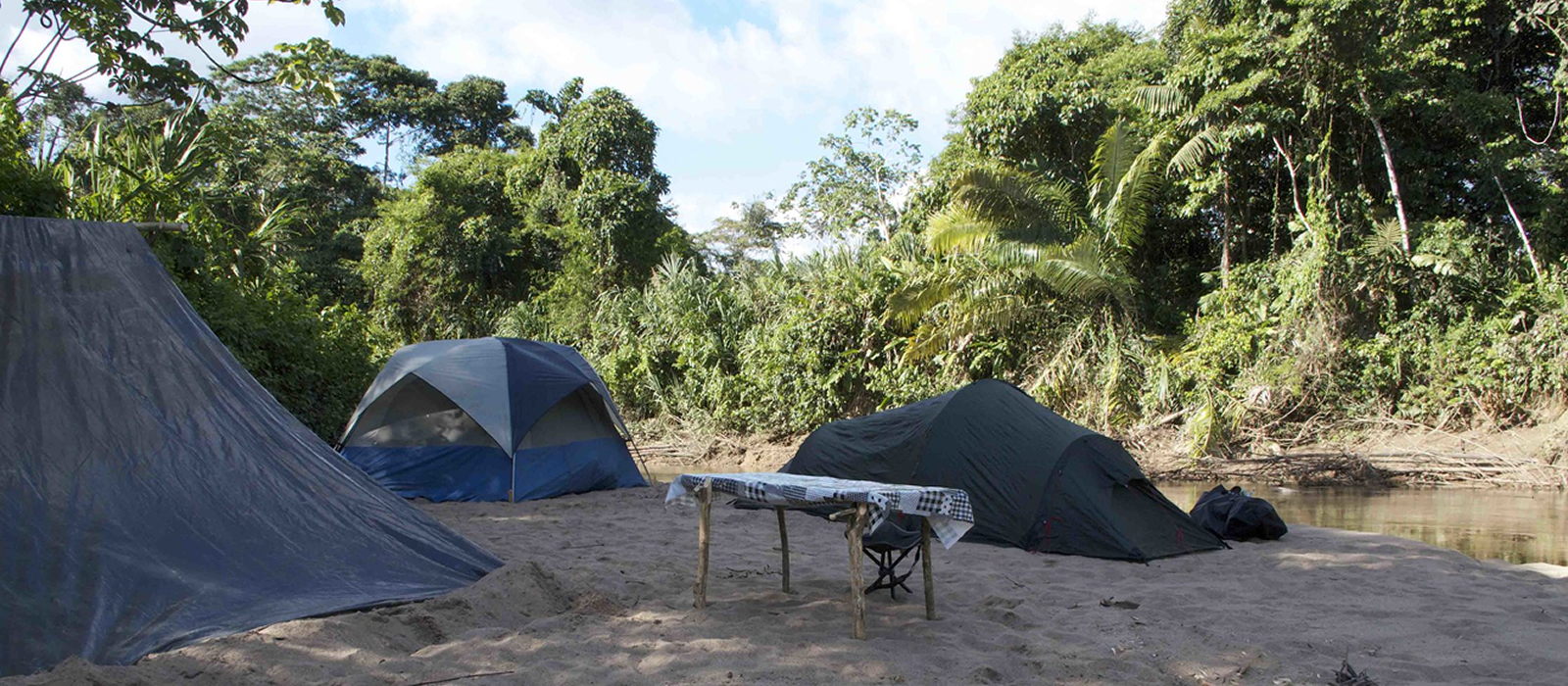
Can I camp in Manu National Park?
Yes, you can camp in Manu National Park, but like any destination, there are specific areas where you can camp and others where it is prohibited. To help you plan your visit, let us explain the different zones within the park and guide you on where camping is permitted and where it is restricted.
Manu National Park Zones
Manu National Park is divided into three distinct zones, each with its own purpose and regulations:
-
Cultural Zone: The Cultural Zone of Manu National Park is where local communities live and practice agriculture. It’s home to farmers, small villages, and contacted indigenous tribes. This zone also sees a higher concentration of tourists as it is more accessible and allows for guided cultural experiences and interactions with the local population.
-
Reserved Zone: Located deeper in the jungle, this area is designated for tourism and scientific research. Visitors can explore this zone on guided tours, offering a chance to experience the rich biodiversity of the park. While tourism is allowed, strict regulations are in place to minimize environmental impact.
-
Intangible Zone: The most protected area of the park, this zone is off-limits to visitors. It is preserved by the government to protect the indigenous tribes that live in voluntary isolation and the untouched ecosystems. No tourism or entry is permitted, ensuring the conservation of its natural and cultural heritage.
Which Zone of Manu National Park Allows Camping?
You can only camp in the Cultural Zone of Manu National Park, and no special permit is required. If you’re planning to camp independently, it’s essential to choose a safe location. Below, we’ll provide a list of recommended safe camping spots within the Cultural Zone where people often camp and where you can set up for an enjoyable experience.
- Pilcopata: Pilcopata is one of the most accessible camping spots and is also close to various tourist attractions, including the Gardens of Hummingbirds, where you can spot not only hummingbirds but also monkeys, toucans, snakes, agoutis, and a variety of birds. Additionally, the village is near a wildlife rescue center and the Madre de Dios River.
- Atalaya: This spot serves as a port in the Cultural Zone of Manu National Park, but it also features a building constructed by the municipality, offering a safe place to stay. There are no restrictions on camping here, but it’s recommended to ask the locals for permission, as the site is currently managed by the community of Atalaya.
- Salvación: Known for its stunning natural surroundings, this village is a top choice for camping in the Cultural Zone of Manu National Park. It’s a safe and peaceful spot to set up camp and explore the nearby jungle. Salvación is also conveniently located near several beautiful attractions, including the Machuwasi Oxbow Lake and the Madre de Dios River, making it a perfect base for outdoor enthusiasts looking to explore the Amazon.
Important: Some people choose to camp on the banks of the Madre de Dios River or deep within the jungle for a more immersive, adventurous experience. While it’s not prohibited, it does come with risks. If you’re determined to camp in these remote areas, we strongly recommend booking a tour and discussing your request with a professional guide. This way, you can ensure your safety and enjoy a real jungle experience with expert support.
Best Time for Camping in Manu National Park
The best time to camp in Manu National Park is during the dry season, from April to December. During this period, you’ll experience lower rainfall, making trails more accessible and wildlife easier to spot. The weather is ideal for camping, with cooler nights and clearer skies for stargazing.
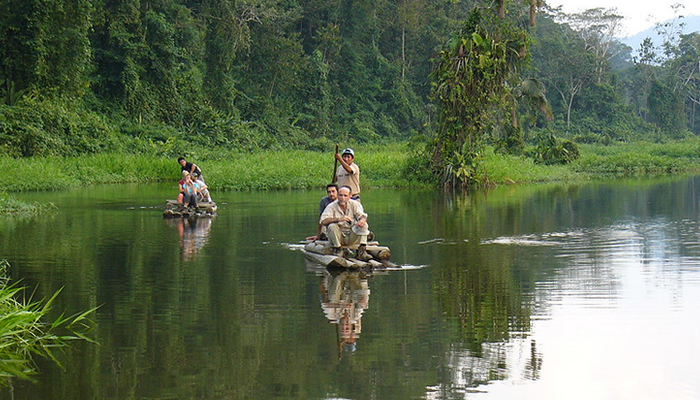
Activities to Enjoy While Camping in Manu National Park
If you decide to camp on your own in Manu National Park, there are plenty of exciting activities to enjoy. You can explore jungle trails, go birdwatching to spot exotic species like macaws and toucans, or even visit nearby oxbow lakes to observe wildlife like caimans. Fishing, photography, and night walks to discover nocturnal animals are also popular.
For more detailed information on activities and tips for your camping adventure, click the link below and start planning your trip. https://uniqueamazonperu.com/blog/manu-national-park-tour-on-your-own/
Top Tips for Camping in Manu National Park
-
Choose Designated Areas: Stick to designated camping zones, especially in the Cultural Zone, to ensure safety and environmental protection.
-
Go with a Guide: If you’re venturing into more remote areas, such as the banks of the Madre de Dios River or deeper in the jungle, it’s best to go with a licensed guide who knows the terrain and wildlife.
-
Prepare for Weather: The Amazon is humid and experiences frequent rainfall. Pack waterproof gear, a rain cover for your tent, and quick-dry clothing to stay comfortable.
-
Pack Essentials: Bring insect repellent, a first aid kit, and a good quality flashlight or headlamp for navigating the jungle after dark.
-
Respect Nature: Follow Leave No Trace principles. Take all waste with you, avoid disturbing wildlife, and camp responsibly to preserve the natural beauty of the park.
-
Stay Hydrated: Always carry purified water or a reliable water filtration system, as staying hydrated is essential in the humid jungle climate.
-
Be Mindful of Wildlife: Store food securely to avoid attracting animals, and always keep a safe distance from any wildlife you encounter.
By following all the essential guidelines for camping in Manu National Park, you’ll ensure a safe, enjoyable, and unforgettable experience.
