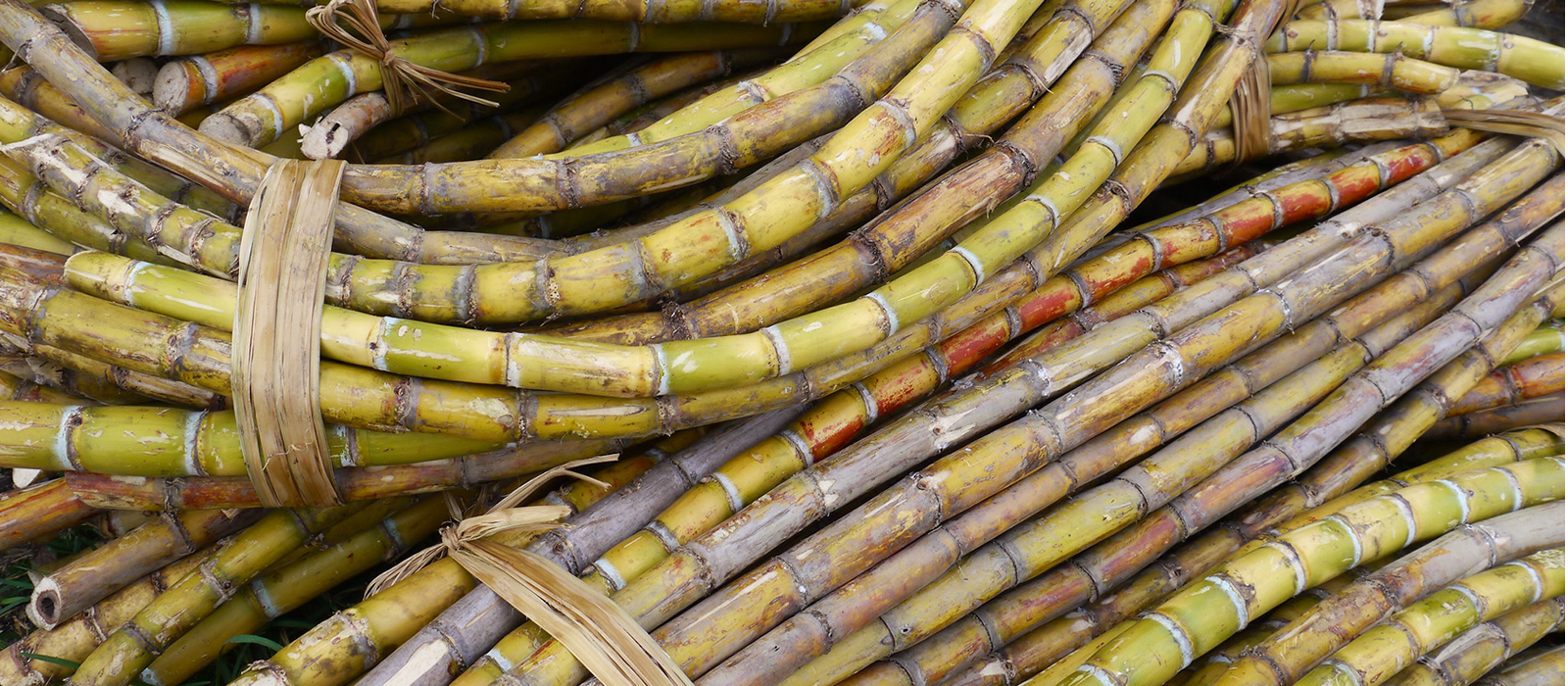
The Life Cycle of Sugarcane
Sugarcane is a plant that grows from pieces of its stalks, which are planted in the ground to sprout new plants. This cultivation method is simple and effective in regions with warm and humid climates, such as parts of Latin America, Southeast Asia, and Africa.
The growth of sugarcane goes through several stages:
- Planting: Pieces of the stalk are cut and buried in rows of fertile soil. In a short time, new sugarcane shoots begin to grow.
- Stalk Development: Over the months, the stalks thicken, accumulating sugar inside. This process is aided by warm temperatures and humidity.
- Harvesting: Once the stalks have reached their full size, usually between 12 and 18 months, they are cut for harvesting. Depending on the region, this harvest can be done by hand or with machinery.
The life cycle of sugarcane depends on several environmental factors, such as water availability and soil quality. Ideal conditions allow sugarcane to grow continuously throughout the year, especially in tropical areas. Additionally, responsible farming practices help maintain soil fertility and protect the environment.
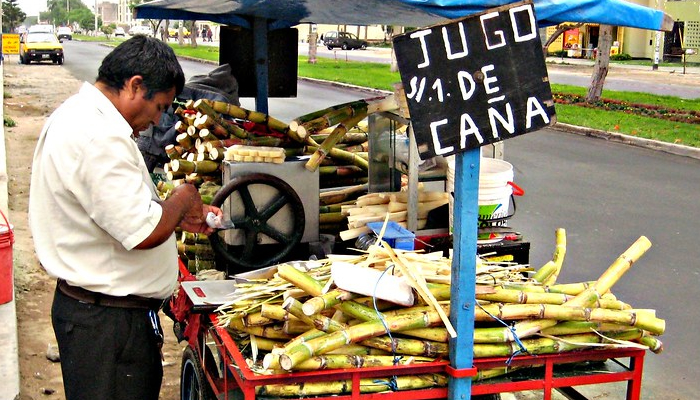
After the harvest, sugarcane is processed to extract its juice, which has a wide variety of uses. While most people associate sugarcane with the production of refined sugar, it is also used to make traditional products in many cultures.
Extracting Sugarcane Juice and Its Many Uses
Sugarcane juice is obtained by crushing or pressing the stalks. This naturally sweet juice is a popular drink in many regions and can be consumed as is or used as a base for other products.
Making Traditional Products: Guarapo and Cañazo
- Guarapo: This is a fermented drink made by letting sugarcane juice rest for several days. Guarapo has a refreshing, slightly acidic flavor with a low alcohol content.
- Cañazo: This is a strong distilled drink made from fermented sugarcane juice. Similar to rum, cañazo is popular in many rural areas and is part of local celebrations and traditions.
The largest producer of sugarcane in the world is Brazil, a country that has dominated the production and export of this important agricultural resource for decades. However, in Peru, especially in the Amazon region, the cultivation of sugarcane takes a different approach. Here, sugarcane is primarily grown for local consumption rather than for mass distribution or export. This crop is of great importance to the native communities of the Peruvian Amazon, as it plays a central role in their customs and traditional agricultural practices.
