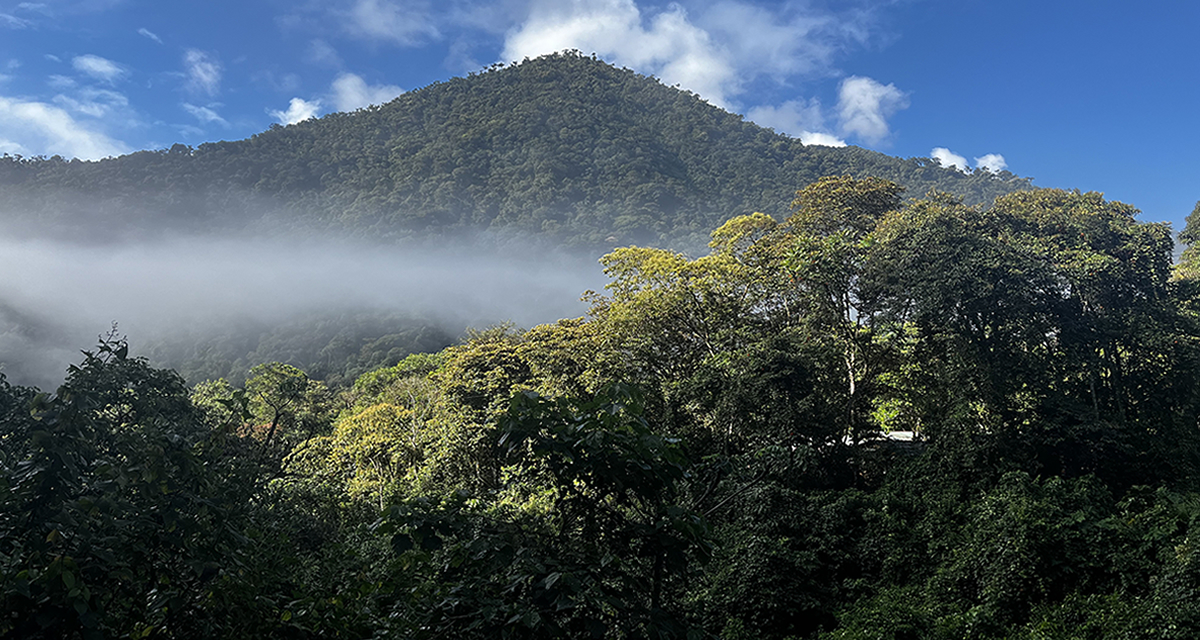
The cloud forest of Manu National Park is one of the most fascinating and biodiverse ecosystems in Peru and the world. Located in the transition zone between the lowland Amazon rainforest and the Andes, this unique ecosystem is characterized by its high humidity, constant mist, and rich biodiversity, including endemic species of flora and fauna. In this article, we will explore the importance of the cloud forest in Manu National Park, its biodiversity, and why it is an unmissable destination for nature and ecotourism enthusiasts.
Exploring the Cloud Forest of Manu National Park
The cloud forest of Manu National Park is found between 1,300 and 2,500 meters above sea level. This ecosystem is characterized by dense vegetation covered by a permanent mist formed by the interaction of humid air currents coming from the Amazon with the mountains. This phenomenon creates an ideal environment for a wide variety of plant, bird, mammal, and amphibian species.
Biodiversity of the Cloud Forest in Manu
The cloud forest of Manu is one of the most species-rich ecosystems in the Amazon and the world. This unique ecosystem harbors an incredible variety of flora, such as orchids, bromeliads, ferns, mosses, and large trees like cedars and laurels that thrive in the humid and shaded environment. These conditions create an ideal habitat for thousands of species of epiphytic plants, which grow on other plants and obtain nutrients from the moisture in the air.
Moreover, the cloud forest of Manu National Park is home to several unique and endemic species of fauna. Among the mammals, the spectacled bear (Tremarctos ornatus) stands out as an emblematic and endangered species that finds refuge in these Andean forests. It is also the habitat of the Andean cock-of-the-rock (Rupicola peruvianus), Peru’s national bird, known for its vibrant orange plumage and courtship rituals that attract bird watchers from around the world. The quetzal (Pharomachrus sp.), with its spectacular green and red plumage, also inhabits this forest, symbolizing the cloud forests of the Andes.
Additionally, the cloud forest is home to a rich diversity of amphibians, such as poison frogs and salamanders, which depend on the constant humidity of the environment to survive.
Importance of the Cloud Forest
The importance of the cloud forest in Manu National Park lies not only in its biodiversity but also in its crucial role in climate regulation and the water cycle. These forests act as natural sponges, capturing moisture from the clouds and slowly releasing it into rivers and streams that flow toward the Amazon, vital for the sustainability of lowland ecosystems.
- Climate Regulation: The cloud forest of Manu contributes to local and global climate regulation. By capturing and storing carbon, these forests help mitigate the effects of climate change and regulate the water cycle, directly affecting rainfall patterns in the Amazon region.
- Conservation and Ecotourism: Manu National Park is a major destination for ecotourism in Peru, and the cloud forest is one of its biggest attractions. Birdwatching, trekking, and guided tours through the forest allow tourists to experience biodiversity up close and learn about the importance of conserving these unique ecosystems.
Threats to the Cloud Forest
Despite its great ecological importance, the cloud forest of Manu National Park faces various threats, such as deforestation, climate change, and human pressure. Illegal logging and agricultural expansion in nearby areas pose serious risks to the integrity of these forests and the species that depend on them.
Conclusion: The cloud forest of Manu National Park is a treasure of biodiversity and an example of Peru’s natural wealth. Its conservation is crucial not only for the species that inhabit it but also for the climatic and ecological stability of the Amazon region. Promoting sustainable ecotourism in Manu National Park and raising awareness about the importance of protecting the cloud forest is essential to ensure that this incredible ecosystem continues to thrive for future generations.
