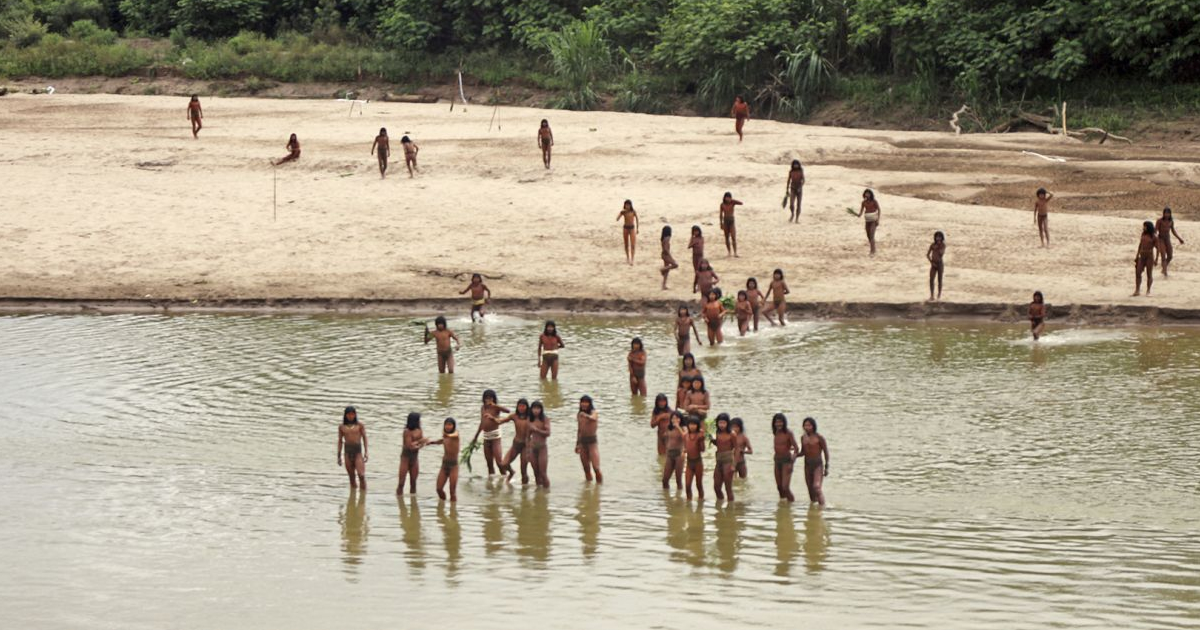
Manu National Park, in the Peruvian Amazon rainforest, is not only one of the most biodiverse ecosystems in the world but also home to some of the last uncontacted native tribes. These communities, living isolated from the outside world, are the guardians of this vast and mysterious territory. In this blog, we will explore the importance of the uncontacted tribes in Manu, their relationship with the environment, and why it is crucial to respect their isolation.
Table of Contents
ToggleWho Are the Uncontacted Tribes?
Uncontacted tribes are indigenous groups that, either by choice or due to historical circumstances, have lived in isolation from modern civilization. In Manu National Park, some of these tribes have inhabited the heart of the Amazon rainforest for centuries, relying entirely on natural resources for their survival.
Among the tribes identified but not contacted in Manu are nomadic groups such as the Mashco-Piro, Matsigenka, and Yora. These peoples continue to follow ancestral ways of life, hunting, gathering, and practicing subsistence farming. By maintaining voluntary isolation, they have preserved their culture and traditions, avoiding the influence of modern society.
The Importance of Manu National Park for Uncontacted Tribes
Manu National Park, declared a UNESCO World Heritage Site in 1987, covers more than 1.5 million hectares of virgin rainforest. This vast territory offers refuge to both biodiversity and isolated indigenous communities. The park is divided into several zones with different levels of access, each with a specific conservation purpose.
The reserved zone of Manu is accessible to tourists under strict supervision and on expeditions organized by authorized tour operators. In this area, visitors can explore the park’s natural richness, observe its impressive wildlife and flora, and learn about indigenous culture without interfering in the more protected zones. Here, access is limited to minimize environmental impact and respect wildlife.
However, in the intangible zone, where the uncontacted tribes reside, access is strictly prohibited for any external person, including tourists and explorers. This zone is designed to protect these communities from the outside world, preventing the introduction of diseases and ensuring they can continue their traditional way of life without external interference.
Why Should We Not Contact Uncontacted Tribes?
Contact with uncontacted tribes can be devastating for their survival. One of the main reasons is the lack of immunity to common diseases in modern society, such as the flu, measles, and other respiratory infections, which have killed thousands of indigenous people in the past. Even minimal contact can trigger an epidemic in their communities, endangering the continuity of their people.
In addition to diseases, contact with the outside world could mean the loss of their culture and ancestral knowledge. These tribes possess a deep understanding of Amazonian flora and fauna, as well as medicinal plants, making them a valuable source of knowledge for environmental conservation.
Challenges and Threats to the Uncontacted Tribes of Manu
Although Manu National Park protects these communities, uncontacted tribes face several threats that jeopardize their territory and way of life. The main threats include:
- Deforestation and illegal mining: Despite protection laws, deforestation in areas near the Amazon continues due to resource exploitation, such as illegal logging and mining. This not only destroys the natural habitat but also leads to the invasion of territories inhabited by uncontacted tribes.
- Drug trafficking: Drug trafficking routes cross areas of the Amazon, posing an additional threat to the tribes. Drug traffickers do not respect protected areas and may cause conflicts or transmit diseases.
- Climate change: The Amazon, including Manu National Park, faces the effects of climate change, which alters rainfall patterns, climate, and the availability of resources that the tribes need to survive.
The Relationship Between the Tribes and the Environment
Uncontacted tribes have a symbiotic relationship with their environment. They live in balance with the rainforest, using its resources sustainably and respectfully. Through their worldview, these communities see nature as a living being with which they must coexist in harmony.
The hunting and gathering practices of these tribes are limited to what is necessary for survival, avoiding the overexploitation of species. They also use medicinal plants that have been passed down through generations, preserving knowledge about the use of the Amazon’s biodiversity.
Conservation and Protection Initiatives for Uncontacted Tribes
The preservation of uncontacted tribes in Manu National Park is vital not only to protect their culture but also to safeguard the Amazon itself. Various national and international organizations work together to protect the territory of these communities, implementing surveillance and control measures in the protected areas.
- SERNANP (National Service of Natural Protected Areas) is the entity responsible for conserving protected areas in Peru, including Manu.
- Indigenous organizations like FENAMAD (Native Federation of the Madre de Dios River and Tributaries) play a key role in defending the rights of uncontacted tribes, promoting self-determination and respect for their territories.
Conclusion
The uncontacted tribes in Manu National Park represent an invaluable cultural and ecological treasure. Respecting their isolation is essential not only for their survival but also for the preservation of one of the most important ecosystems in the world. Conserving their territories, free from external influences, is vital to protect the Amazon, its biodiversity, and the ancestral knowledge they safeguard.
