Table of Contents
ToggleCocha Cashu Biological Station
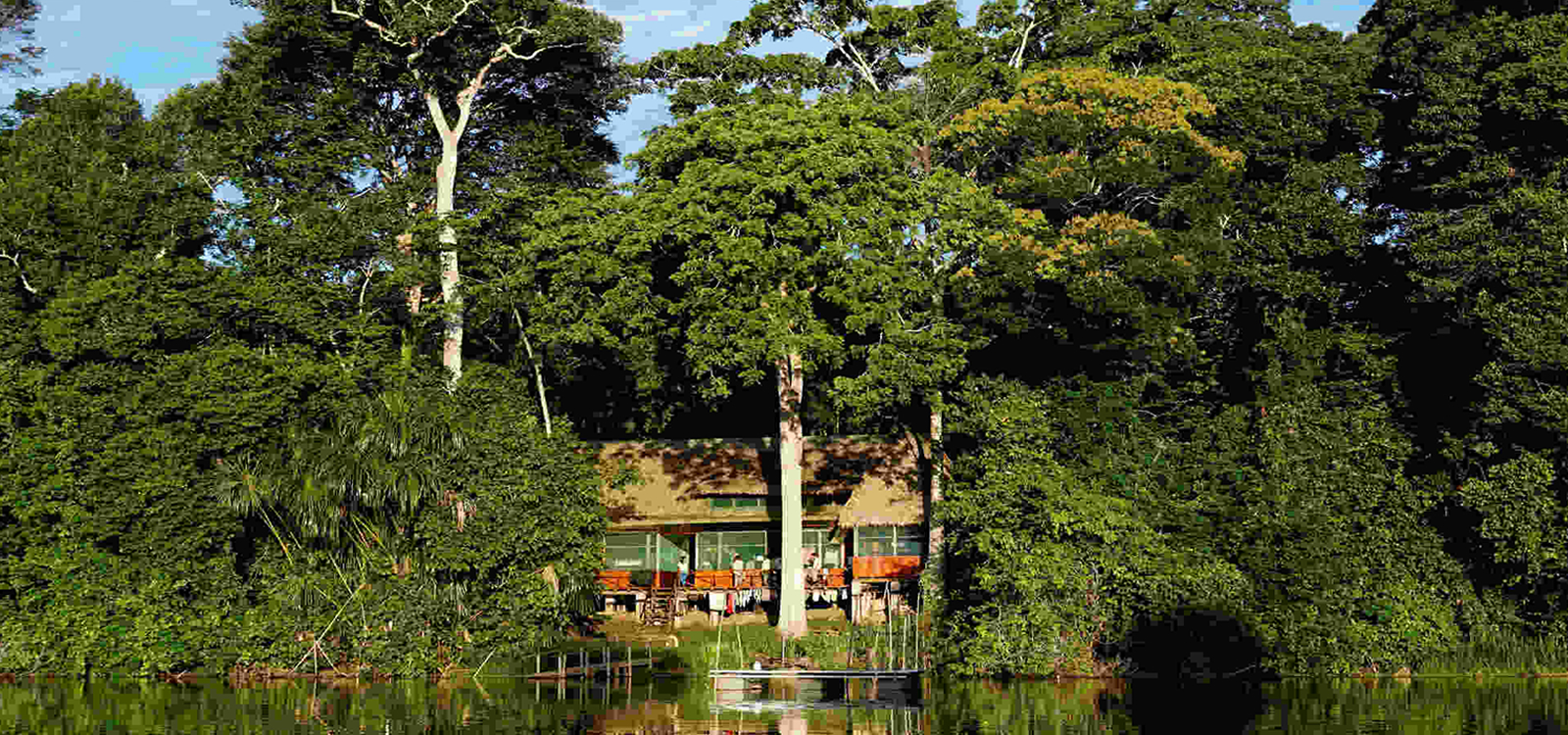
Welcome to the Cocha Cashu Biological Station (CCBS), a natural laboratory located in the heart of the Manu National Park, in the southeast of Peru. This remote and protected Amazonian sanctuary is a unique place offering invaluable insight into an almost untouched tropical rainforest. Due to its location in a region with limited access and minimal human intervention, Cocha Cashu has become a key site for studying the biodiversity and ecological processes of one of the planet’s richest and most diverse ecosystems.
CCBS is a privileged space where scientists from San Diego Zoo Global and other international research groups work on the conservation of endangered species and the preservation of the tropical forests of the Amazon Basin. Here, visitors have the opportunity to join these conservation efforts, exploring the natural surroundings while learning about the incredible fauna and flora that inhabit this remote region.
We We invite you to discover the Cocha Cashu Biological Station, a place where science, nature, and conservation meet to ensure a more sustainable future for the species and forests that sustain life.
More Than Four Decades of Research at Cocha Cashu
The Cocha Cashu Biological Station (CCBS) spans 34,000 hectares of primary forest and is co-managed by the National Service of Natural Protected Areas (SERNANP) and San Diego Zoo Global (SDZG). This natural sanctuary has become a key center for ecological research, providing an invaluable reference landscape that, as the tropical rainforest continues to face threats, becomes even more crucial for science and conservation.
Over nearly 50 years of history, CCBS has witnessed countless discoveries, with more than 750 scientific publications and 36 master’s and doctoral theses. These achievements are the result of the work of researchers from around the world who have visited the station to study various disciplines related to tropical ecology.
With its renewed focus, CCBS remains a cornerstone in the protection of Amazonian biodiversity and the development of sustainable management strategies for the region. The legacy of CCBS continues to grow, having an increasing impact on science and the conservation of Peru’s tropical forests.
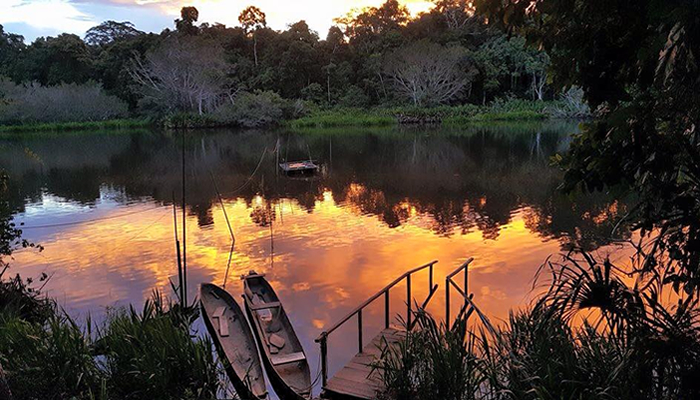
Cocha Cashu
Biological stations in the Peruvian Amazon play a vital role in the preservation and study of the biodiversity of one of the planet’s most rich and threatened regions. Through decades of scientific research, these centers have provided key data about tropical ecosystems, helping to understand the complex natural processes that sustain life in the rainforest. Stations like the Cocha Cashu Biological Station in Manu National Park serve as beacons of knowledge in a changing environment affected by deforestation and habitat loss.
