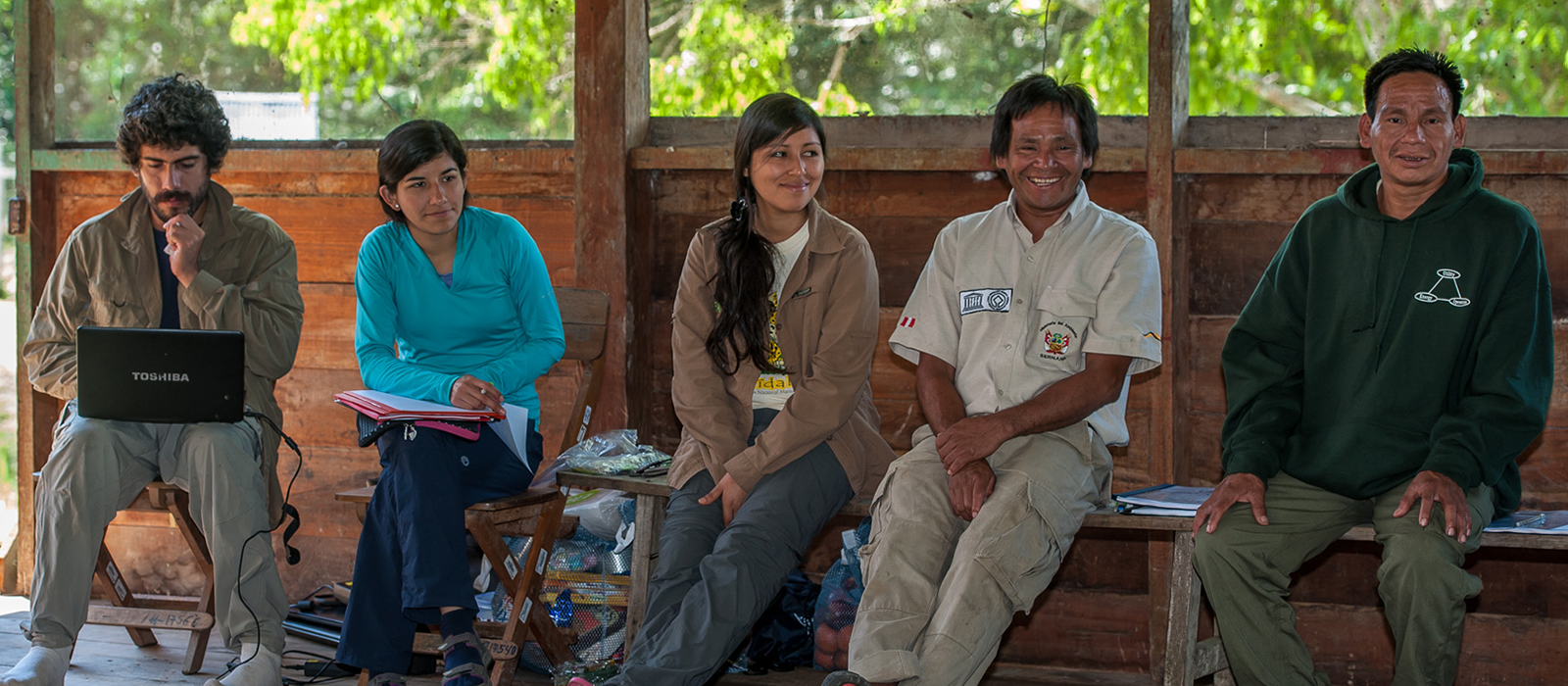
Visiting Manu National Park in the Amazon is a dream come true for nature lovers, adventurers, and those seeking a deep connection with one of the most biodiverse places on Earth. However, given the delicate balance of this ecosystem, it’s crucial to minimize your environmental impact while exploring this natural paradise. By making sustainable choices, you can help protect the park’s incredible flora, fauna, and indigenous communities, ensuring that future generations can experience its beauty.
Here’s how you can reduce your environmental footprint when visiting Manu National Park while still enjoying everything it has to offer.
1. Choose Eco-Friendly Tours and Sustainable Accommodations
When booking your trip to Manu National Park, opt for eco-friendly tour operators and lodges that are committed to sustainability. Many tour operators in the Amazon focus on conservation, using eco-friendly practices and employing local guides with extensive knowledge of the park’s environment and wildlife.
Look for tour companies that:
- Are certified by organizations such as the Rainforest Alliance or follow strict eco-tourism standards.
- Use renewable energy sources (like solar power) in their lodges.
- Implement waste management programs, such as recycling and composting.
- Support local communities by employing indigenous guides and promoting community-based tourism.
By choosing sustainable tour operators, you’re directly supporting conservation efforts in Manu and ensuring your visit has a positive impact on both the environment and local communities.
2. Practice the “Leave No Trace” Principles
The “Leave No Trace” philosophy is a set of outdoor ethics that emphasizes leaving the environment as untouched as possible. This is especially important in a fragile ecosystem like the Amazon rainforest, where human impact can have long-lasting effects.
Some ways to practice “Leave No Trace” in Manu National Park include:
- Carry out what you bring in: Take all trash with you when you leave, including food wrappers, bottles, and biodegradable items like fruit peels.
- Stick to designated trails: Avoid going off the paths as this can disturb wildlife and damage plant life.
- Avoid disturbing wildlife: Don’t approach animals too closely or make loud noises that could startle them. Wildlife observation is a privilege, and respecting the animals’ natural behaviors is essential.
- Camp responsibly: If camping in designated areas, use a camp stove instead of lighting a fire and avoid disturbing the natural landscape.
3. Respect Wildlife and Maintain a Safe Distance
Manu National Park is home to an astounding array of wildlife, including jaguars, capybaras, giant otters, and colorful macaws. While spotting these incredible creatures in their natural habitat is an unforgettable experience, it’s crucial to respect their space.
- Maintain a safe distance: Use binoculars or a camera with a zoom lens to observe animals without approaching them too closely.
- Avoid feeding wildlife: Feeding animals disrupts their natural behaviors and can cause long-term harm. It can also make animals dependent on human food, which is detrimental to their survival in the wild.
- Follow your guide’s instructions: Local guides are experts in observing wildlife without causing disturbance. Listen carefully to their advice, as they will guide you on how to interact with the environment responsibly.
4. Limit Water Usage and Use Biodegradable Products
Water is a precious resource in remote areas like the Amazon, and minimizing your water usage can significantly reduce your environmental impact.
- Take shorter showers: Limit your water use by taking quick showers and avoiding unnecessary water wastage.
- Use biodegradable products: When showering or washing your hands, use eco-friendly and biodegradable soap and shampoo to avoid contaminating local water sources.
- Conserve water: Be mindful of how much water you use for personal hygiene, and avoid excessive use of laundry services during your stay.
Many eco-lodges in Manu National Park have water-saving measures in place, so following their guidelines will help ensure you’re minimizing your environmental footprint.
5. Support Local Communities and Sustainable Tourism
Manu National Park is not only a natural wonder but also home to indigenous communities like the Machiguenga, Yora, and Matsigenka, who have lived in harmony with the rainforest for centuries. By supporting local communities, you help them maintain their traditional ways of life while promoting the protection of the Amazon.
- Hire local guides: Many indigenous people work as guides in the park, sharing their deep knowledge of the land, its history, and its wildlife. Hiring local guides ensures that your tourism dollars directly benefit the community.
- Buy local products: Purchase handmade crafts, souvenirs, and food from local artisans to support the local economy.
- Participate in community-based tourism: Some tours offer cultural experiences that allow visitors to learn about indigenous traditions and customs. These experiences provide income for the communities and encourage sustainable tourism practices.
6. Choose Environmentally Friendly Transportation
The way you travel to and within Manu National Park can have a significant impact on the environment.
- Opt for eco-friendly transport: Instead of motorized boats or vehicles, choose options like hiking, canoeing, or using non-motorized boats. This reduces emissions and helps minimize noise pollution, which can disturb wildlife.
- Group tours: Joining group tours rather than traveling individually helps reduce the environmental footprint by consolidating transportation resources.
Additionally, consider flying directly to the nearest access points (such as Cusco) to reduce the carbon emissions from multiple flights.
7. Avoid Single-Use Plastics
Plastic pollution is a global issue, and the Amazon rainforest is no exception. Reducing your use of single-use plastics is one of the most effective ways to minimize your environmental impact when visiting Manu National Park.
- Bring a reusable water bottle: Avoid buying bottled water by carrying a refillable water bottle. Many eco-lodges provide safe, filtered water for visitors.
- Use reusable bags: Instead of using plastic bags, bring reusable cloth bags for carrying your belongings.
- Pack reusable containers: Use reusable containers for snacks or toiletries, reducing the amount of plastic waste you generate.
By cutting down on plastic use, you help protect the Amazon’s ecosystems from harmful waste.
8. Follow Park Guidelines and Stay Informed
Manu National Park has strict regulations in place to preserve its biodiversity and protect the delicate balance of its ecosystems. Before and during your visit, make sure to familiarize yourself with the park’s rules.
- Stick to designated areas: Certain parts of the park are off-limits to visitors to protect sensitive habitats. Always stay within the allowed zones and respect park boundaries.
- Respect conservation zones: Be mindful of areas marked for conservation research and do not disturb them.
- Listen to your guide: Local guides are there to help you navigate the park responsibly and to ensure that you’re not inadvertently harming the environment.
Staying informed about local conservation efforts and following park guidelines will help ensure that your visit is low-impact and beneficial to the preservation of Manu National Park.
Responsible Travel in Manu National Park
Manu National Park offers a once-in-a-lifetime opportunity to explore one of the most pristine and biodiverse regions of the Amazon rainforest. By taking steps to minimize your environmental impact, you contribute to the conservation of this incredible ecosystem and help protect its wildlife and indigenous communities. From choosing eco-friendly accommodations to supporting local economies and practicing sustainable travel habits, your actions as a responsible traveler can make a significant difference in preserving Manu National Park for future generations.
