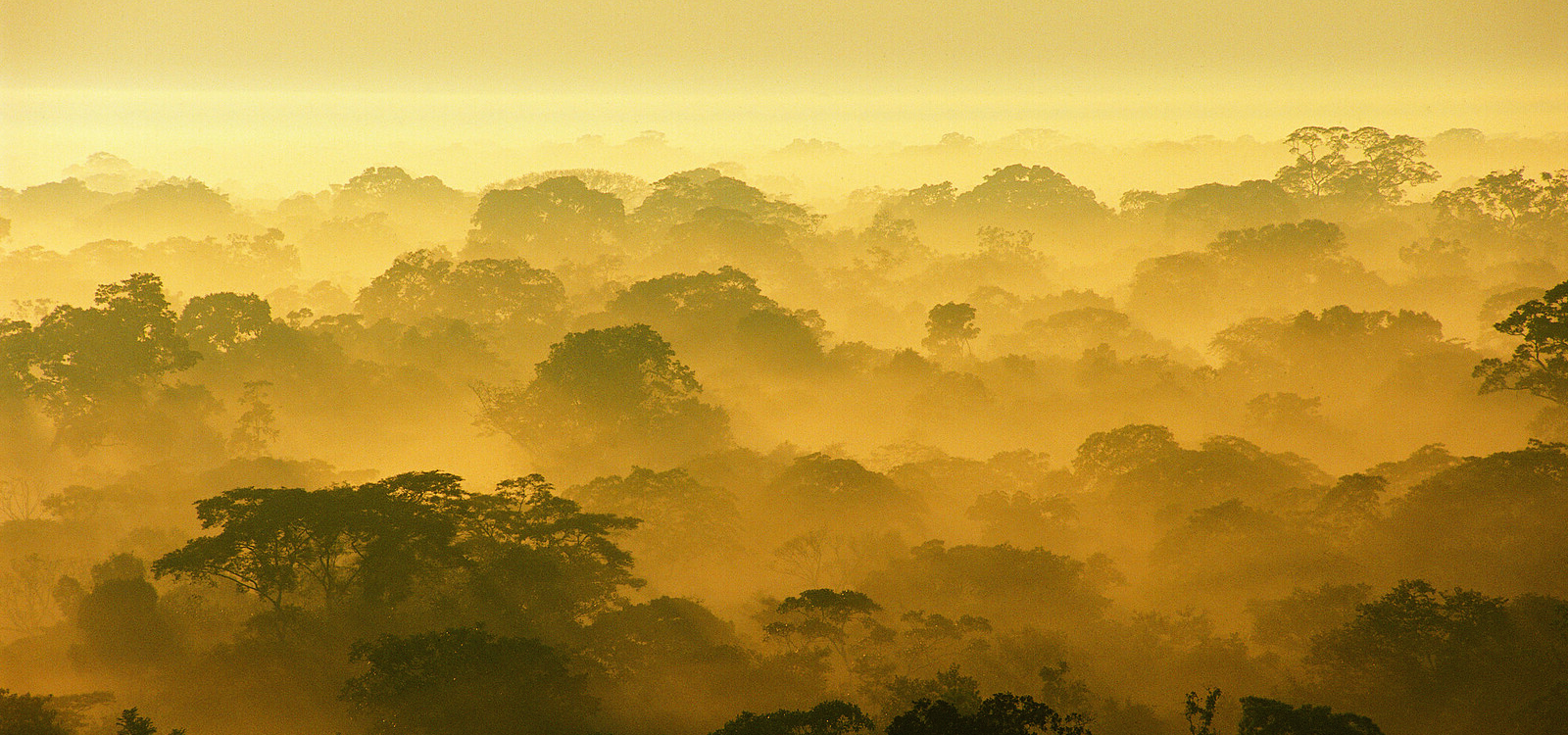
Tambopata vs. Manu: Which Amazon Experience is Perfect for Your Adventure?
The Amazon rainforest is nature’s masterpiece, teeming with life and offering an unparalleled adventure. But with so many incredible destinations within the Jungle, choosing where to go can be tricky. Two top contenders are Tambopata National Reserve and Manu National Park—both located in the Peruvian Amazon, both rich in wildlife and biodiversity. But which one should you explore? Let’s break down what each offers, so you can make the perfect choice for your jungle journey.
Biodiversity – A Nature Lover’s Dream
If it’s wildlife you’re after, both Tambopata and Manu deliver an abundance of species in diverse ecosystems.
Tambopata National Reserve, located just outside of Puerto Maldonado, is renowned for its astonishing variety of wildlife. The reserve holds the world record for butterfly species, with over 1,200 varieties, as well as 632 bird species and 169 mammals, including jaguars, capybaras, and giant river otters. This high concentration of fauna makes Tambopata a top destination for wildlife observation.
On the other hand, Manu National Park, which stretches from the Andes down to the Amazon basin, is even larger and offers a wider range of ecosystems, from cloud forests to lowland rainforests. With more than 1,025 bird species, it is one of the world’s best birdwatching destinations. The park is also home to 221 mammal species, including rare creatures like the harpy eagle, giant armadillo, giant river otters, and the iconic jaguar. For true nature enthusiasts, Manu is a dream come true, offering a more remote and wild experience.
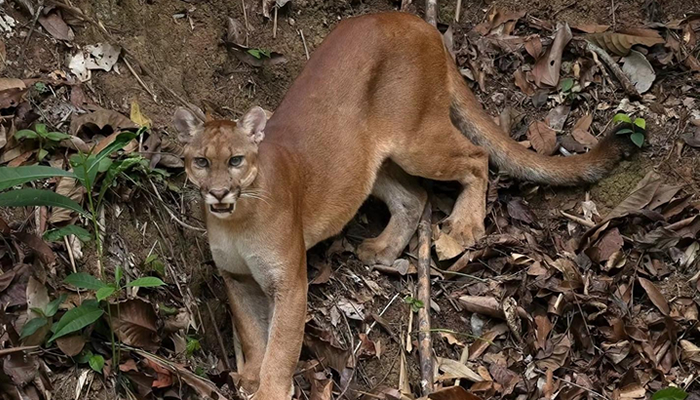
In short, for sheer variety and opportunity to spot animals, both Tambopata and Manu are exceptional, but Manu edges ahead for its remote, untouched feel and wider range of habitats.
Activities – Adventures in the Heart of the Jungle
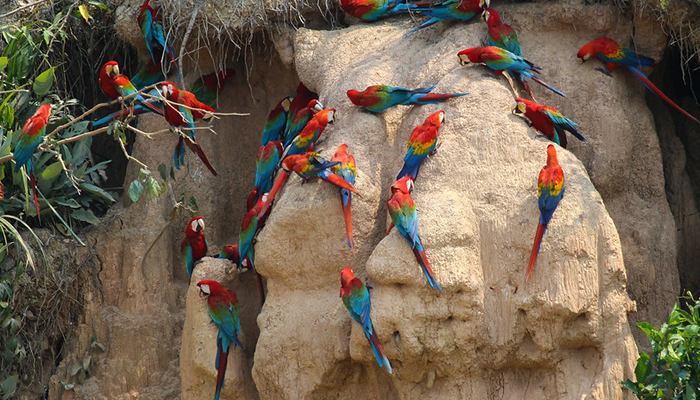
Tambopata offers visitors a range of activities, from treks through the jungle to guided boat tours along the rivers. One of the main attractions here is the macaw clay licks, where colorful macaws and parrots gather to eat the mineral-rich clay—a sight not to be missed. There are also canopy towers that allow you to see the rainforest from above, giving you panoramic views of the jungle stretching as far as the eye can see.
In Manu, visitors can explore everything from the cloud forest, where mist drifts through moss-covered trees, to the lowland rainforest where species like tapirs, spider monkeys, and giant otters reside. Manu also offers the famous Collpas, natural clay licks where various species of parrots, including macaws, gather. The park is also a favorite for birdwatchers, who can spot species like the cock-of-the-rock and many others from the park’s strategically placed observation towers.
For those seeking more structured adventure, Tambopata provides slightly more organized tourism infrastructure, with numerous eco-lodges offering guided tours and well-established itineraries. Manu is more remote and rugged, offering a rawer, less commercialized experience.
Access – Getting There Is Half the Fun
One of the key differences between Tambopata and Manu is accessibility.
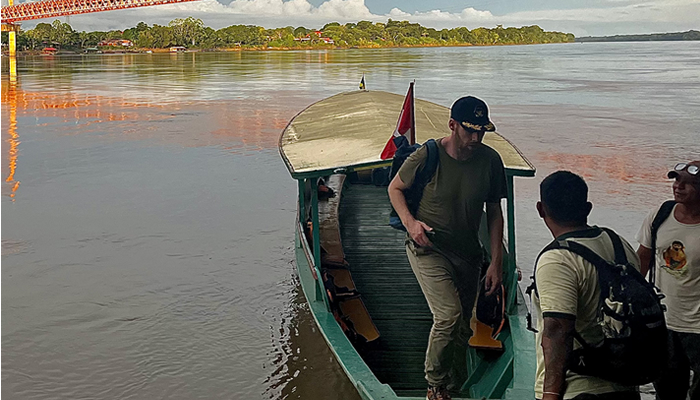
Tambopata is more easily reached. Most travelers fly into Puerto Maldonado from Cusco or Lima, from where it’s just a short drive and boat ride into the heart of the reserve. It’s possible to be in Tambopata within a few hours of arriving in the region, making it the ideal choice for those who prefer a quicker, smoother journey.
Manu, on the other hand, is more difficult to reach, which makes it a more exclusive destination. Most visitors start in Cusco and travel by road to reach the Manu Biosphere, a journey that can take some hours, including navigating dirt roads and rivers deep into the rainforest. This effort pays off in spades though, as the park’s remoteness means fewer tourists and a more pristine environment.
Tourism Infrastructure – Comfort vs. Wilderness
Tambopata offers more accessible lodges and better-established ecotourism options. You’ll find a range of accommodations, from basic eco-lodges to more luxurious options, offering creature comforts while still keeping you close to nature. Guided tours are available, making it easy to explore the wildlife hotspots, including the famous Sandoval Lake.
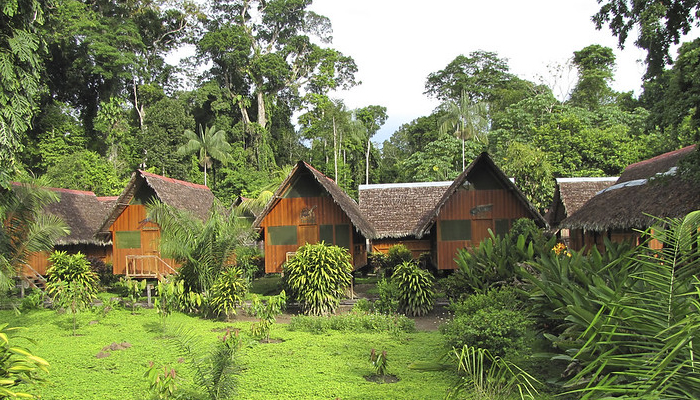
Manu, while also having eco-lodges, is generally more rustic. The accommodation is simpler, and the park’s remoteness means fewer options for luxury travelers. That said, Manu’s wildness is what draws many visitors—it’s an authentic jungle experience without the crowds. The rustic lodges and small-group tours make you feel like an explorer, discovering the Amazon in its purest form.
Group Size – Intimate Exploration or Larger Tours
Manu’s ruggedness lends itself to smaller, more intimate groups, which is ideal for birdwatching and nature photography. Tours in Manu often focus on keeping groups small to enhance wildlife observation and maintain the park’s sense of wilderness.
In contrast, Tambopata can accommodate larger groups, and the more developed tourism infrastructure means that you’ll find more group tours available. Whether you’re a solo traveler or part of a larger group, Tambopata offers flexibility, making it a good option for those looking to meet other travelers while enjoying the jungle.
Costs – Budget-Friendly or Exclusive Experience?
Tambopata is generally the more budget-friendly option. Its proximity to Puerto Maldonado means cheaper transportation costs, and the wider range of lodges offers more pricing options to suit different budgets.
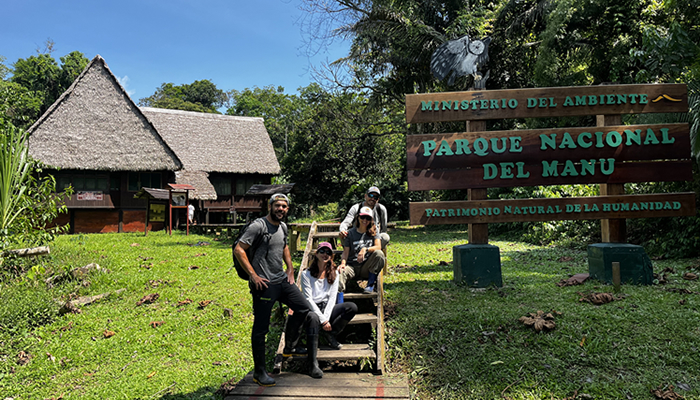
Manu, being more remote and harder to access, tends to be more expensive. Tours often come with higher price tags due to the logistics involved, and the limited number of lodges in the region means demand is high. However, for many, the extra cost is worth it for the unique experience of visiting one of the most untouched rainforests in the world.
Tambopata or Manu?
Both Manu and Tambopata offer incredible, once-in-a-lifetime experiences in the heart of the Amazon rainforest. Tambopata is the more accessible, budget-friendly option, perfect for travelers looking for an organized tour with diverse wildlife and breathtaking scenery.
On the other hand, Manu offers a wilder, more immersive experience, ideal for adventurers and nature lovers who want to explore the jungle with fewer crowds and a deeper connection to nature.
Whichever destination you choose, you’ll be stepping into one of the world’s most extraordinary ecosystems, where nature’s wonders are on full display.
